
Things to Do in Tulum: The 2026 Local's Complete Guide

The 2026 local's guide to the best things to do in Tulum, Mayan ruins, top cenotes (Gran Cenote, Dos Ojos, Calavera), Sian Ka'an Biosphere, Chichen Itza day trip, real beach access map, sargassum truth, tourist tax, Tulum airport (TQO), Tren Maya, safety and honest 2026 peso prices from a local operator with 4,163 five-star reviews.
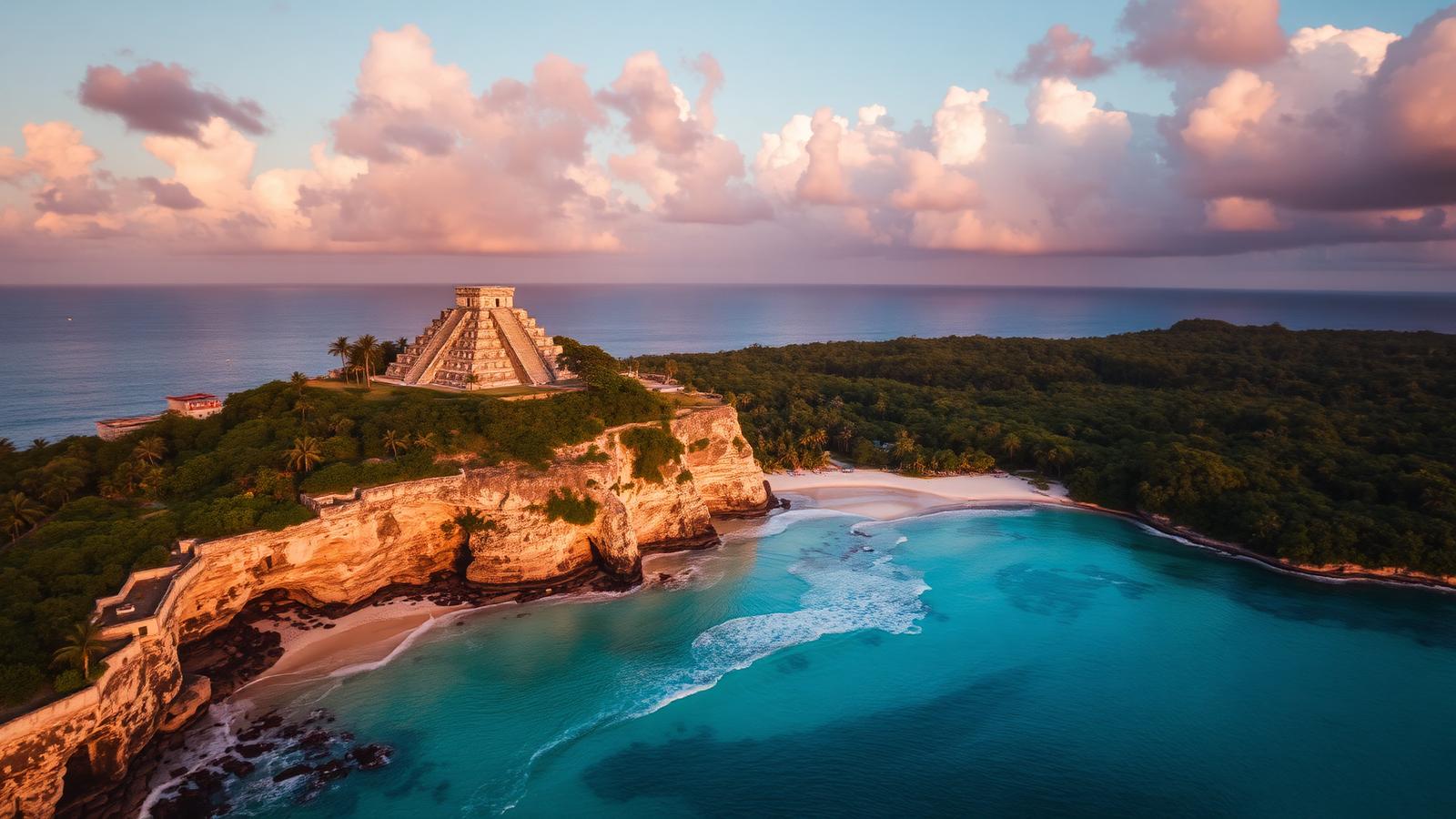
Tulum is not one place. It is a Mayan port city on a Caribbean cliff, a jungle town of 40,000 people 4 km inland, a 22-km beach road lined with USD-priced boutique hotels, and, since 2023, the trailhead into the largest new protected area created in Mexico this century, the Parque del Jaguar. This 2026 guide is the version a local operator would give you: 22 real things to do ranked by what actually delivers a memorable trip, plus the honest logistics behind each, 2026 peso prices, sargassum truth, drive times, crowd windows, safety context, tourist tax, and which day trips are worth the early alarm. Every recommendation is cross-checked with current INAH hours, CONANP rules, the ADO schedule, sargassum monitoring data, and what our own guests booked in the last twelve months.
What Are the Best Things to Do in Tulum? Quick 2026 Answer
The best things to do in Tulum in 2026 are the Zona Arqueológica de Tulum (the seaside Mayan ruins), at least two cenotes from the Gran Cenote / Dos Ojos / Cenote Calavera list, a Sian Ka'an biosphere half-day, a Chichen Itza day trip 2 hours west, a Coba pyramid climb, and one honest beach day at a public-access section of Playa Paraíso or inside Sian Ka'an. That is the ranked six-experience core for a five-to-six-day stay. Add Sfer Ik Museion at Azulik if you care about architecture, snorkeling with sea turtles at Akumal, and a night at a Tulum Pueblo taquería to break the beach-road markup.
This guide walks each activity in the order most travelers actually learn about them, geography first, then the flagship experiences, then the specialty options, then food, nightlife, sargassum reality, and the 2026 logistics you need to make it all work. If you are here for one specific answer, use the table of contents. If you have five days in Tulum ahead of you and no plan yet, read straight through.
Tulum at a Glance: Pueblo vs Hotel Zone (Zona Costera)
Tulum is split into two very different halves and understanding the geography is the single most useful thing you can do before you arrive. Tulum Pueblo is the working town on Highway 307, roughly 4 km inland, 40,000 residents, the ADO station, taquerías, hostels, mid-range hotels, the local market, banks, pharmacies, and most of the city's schools and services. Tulum Hotel Zone (the Zona Costera or beach road, sometimes called Zona Hotelera Tulum) is the 22-km coastal strip on Carretera Tulum-Boca Paila, running south from the ruins toward Sian Ka'an. This is where every beachfront boutique hotel, USD-priced restaurant, beach club and Instagram-famous swing sits. There is no local bus service on the beach road; a taxi from the pueblo to the beach is 250–400 MXN, or you can bike the 4 km down in 20 minutes.
The single decision that shapes the trip is where you sleep. Beach-zone hotels cost $450–1,200 USD per night in high season (December to April) and put you on the sand but 15–30 minutes from anywhere else and locked into on-site restaurants. Pueblo hotels cost $50–200 USD per night, put you within walking distance of the ADO station, dozens of restaurants and grocery stores, but require a taxi or bike ride to reach the beach. A working compromise: two nights beach, three nights pueblo. Digital nomads and repeat visitors overwhelmingly stay in the pueblo.
Zona Arqueológica de Tulum: The Mayan Ruins Above the Sea
The Tulum ruins are the only Maya site in the Riviera Maya perched directly on a Caribbean cliff, and since 2024 they sit inside the new Parque del Jaguar. The walled port city, called Zamá by the Maya, takes about 90 minutes to walk. Arrive at 8:00 AM to beat the Cancun day-trip buses. For 2026 fees, the beach-entry workaround, structure-by-structure walk and full logistics, see the Tulum archaeological site.
Cenotes in Tulum: The 60-Second Shortlist
Tulum sits over the Sistema Sac Actun / Ox Bel Ha underwater cave network, 660+ km of mapped passages, so cenotes are the region's non-negotiable activity. If you have time for one, make it Gran Cenote (8 km on the Coba road) for shallow clear water and turtles. If you have two, pair it with Cenote Calavera for the jump platforms, or with Dos Ojos if you plan to snorkel or dive the cave system. Full price table, depths, halocline data, jaguar-tour rules, best time of day, and the seven ranked options, including which pairings to avoid, live in the dedicated guide below.
Ranked shortlist, 2026 prices and site-by-site rules, best cenotes in Tulum. For the region's single most photographed sinkhole two hours west, see the Ik Kil cenote.
Beaches in Tulum: The Real 2026 Public Access Map
Every beach in Mexico is legally public, the federal zone (20 meters from the high-tide line) belongs to the nation and cannot be privatized. In practice, the Tulum Hotel Zone road makes public access harder than in Cancun or Playa del Carmen because most of the beachfront is behind private hotels that block direct pedestrian entry. The three reliable public access points in 2026 are: Playa Pescadores (right below the Tulum ruins, wide free-parking area), Playa Paraíso (arguably the most photographed beach in the Riviera Maya, public entry at the north end past the beach club), and Playa Las Palmas (mid-Hotel-Zone, small public palapa entry between two hotels).
Beach quality varies more than most guides admit. Playa Paraíso is postcard-perfect on calm days but gets the heaviest sargassum belts from May through August. The best sargassum-resistant Tulum beach is inside the Sian Ka'an Biosphere Reserve, Boca Paila and the coves 5–10 km south of the biosphere entrance. Punta Piedra (north end near the ruins) has calmer water and less sargassum than the central Hotel Zone. If you want a full day of guaranteed clear water in high sargassum season, take the 1-hour ferry to Cozumel or the 45-minute drive to Akumal instead.
Sian Ka'an Biosphere Reserve: UNESCO Wilderness South of Tulum
Sian Ka'an means 'Where the Sky is Born' in Yucatec Maya, and the biosphere reserve is the largest protected area in Mexico's Caribbean, 528,000 hectares of mangrove, marsh, coral reef, cenotes and near-empty coastline directly south of the Tulum Hotel Zone. It has been a UNESCO World Heritage Site since 1987 and holds an estimated 336 bird species, four sea turtle species, manatees, dolphins, and the second-largest barrier reef on Earth (the Mesoamerican Reef) offshore. The main entrance is 12 km south of the Tulum ruins at the end of Carretera Boca Paila; entry fee is 60 MXN plus vehicle fee (a checkpoint tallies pesos, cash only).
The best half-day experience is the Muyil boat tour, a 3-hour trip departing from the Muyil archaeological site 25 km southwest of Tulum on Highway 307. You visit the Muyil ruins (small Maya trade outpost), then hike 500 meters to Laguna Muyil, take a lancha across the lagoon, drift a natural mangrove channel by lifejacket for 20 minutes (the current does the work), and return. Total cost with a licensed cooperativa guide is 800–1,000 MXN. A longer full-day option is the flyfishing or dolphin/manatee boat tour from Punta Allen at the south end of the biosphere, full-day cost $150–250 USD per person and requires a 4×4 or booked transfer for the road in.
Chichen Itza Day Trip from Tulum: The Region's #1 Excursion
Chichen Itza is the single most-booked day trip from Tulum in 2026, a New 7 Wonder, UNESCO site and the most complete Maya city-scale ruin on the peninsula. It sits west of Tulum, close enough for a there-and-back day with early-morning discipline. This guide will not shop distance, drive time, toll pesos, tour prices or on-site monument descriptions against Tulum activities, each one has a dedicated home. For the drive itself see the how far is Chichen Itza from Tulum; for the pyramid and equinox event see the El Castillo pyramid; for the ritual cenote inside the site see the Cenote Sagrado at Chichen Itza. For the day-trip logistics with pickup, guide and Valladolid lunch built in, see our private Chichen Itza tour from Tulum.
Coba Ruins: The Jungle Pyramid You Can Still Climb
Coba is the closest Maya ruin to Tulum at 44 km northwest, a 45-minute drive on Highway 109. It was one of the largest Maya cities on the peninsula in its heyday around 600–900 CE, with an estimated population of 50,000 and a network of 50-plus sacbé (raised limestone roads) fanning out for 100 km. What makes Coba worth the trip in 2026 is Nohoch Mul, the tallest pyramid in the northern Yucatan at 42 meters, and until INAH permits it (the pyramid was closed to climbing in 2020 and reopens periodically), the view from the top over unbroken jungle canopy is unlike anything at Chichen. Entry 100 MXN INAH, plus a 50-peso parking fee; renting a beach bike or hiring a tricycle taxi inside the site is 100–200 MXN and worth it, the ruins spread across 70 hectares.
The best day-trip stack from Tulum is Coba at 8:00 AM opening + Cenote Choo-Ha or Cenote Tamcach-Ha (both 3 km from the Coba parking lot) for a swim + Punta Laguna Nature Reserve (spider monkeys, 20 minutes further), a full day back in Tulum by 4:00 PM. For a bigger ruin experience within 2 hours, Ek Balam ruins sits 2 hours 15 minutes northwest, a smaller but stunningly preserved acropolis whose top level is still open to climbing (as of 2026) with intact stucco jaguar sculptures.
Sfer Ik Museion at Azulik: Tulum's Signature Architecture
Sfer Ik Museion (previously called IK Lab) is the immersive art space inside the Azulik resort on Carretera Tulum-Boca Paila, and is the most-photographed building in Tulum after the ruins. Designed by Roth Architecture, it is a shoe-off walk-through gallery built from bejuco vine, poured concrete and macuchi wood over the jungle canopy, you enter barefoot, cross undulating wooden bridges, and pass through installations that change every 3–6 months. Entry is 500 MXN in 2026 (up from 300 in 2023); 90 minutes covers the full walk. The best time to visit is late afternoon (2:00–4:00 PM), when the light through the leaded-glass skylights peaks. It is unrelated to but often confused with the beach club Vagalume next door.
Tulum Beach Clubs 2026: Papaya Playa, Vagalume, Bagatelle Real Prices
Beach clubs are the single most expensive thing to do in Tulum in 2026, and the single most instagrammed. Minimum consumption in high season runs $80 USD (Papaya Playa Project, weekdays) to $200+ USD (Vagalume, Bagatelle, Bali Tulum on weekends) per person, and beach beds add another $50–150 USD depending on location. Papaya Playa Project (km 4.5, one of the originals) has the most casual vibe and lowest minimum. Vagalume next to Azulik is the current hype pick with a full sushi menu. Bagatelle Tulum is the French Riviera daytime-party model. Kool Beach Club and Bali Tulum sit at the middle tier.
Two honest rules. Reserve on the club's own website, never through an aggregator that adds 15–20% commission. Ask for pricing in pesos, every USD tab in Tulum runs at 17–18 pesos to the dollar when the bank rate is 19–20, a hidden 8% markup. If you want the beach-club experience without the minimum, the free public beaches immediately south of each club give you the same water and sand, you just bring your own drinks.
Where to Eat in Tulum: Beach Road vs Tulum Pueblo Reality
Tulum has two completely different food scenes. The beach road hosts the internationally famous restaurants, Hartwood (wood-fire, no walk-ins in high season, $80–150 USD per person), Kitchen Table (open-air fine dining), Arca (whole-animal chef counter, $100+ per person), Rosa Negra (party-restaurant, expensive), Casa Jaguar (jungle setting, mid-high). Tulum Pueblo runs the local scene where prices drop 60–80%: Antojitos La Chiapaneca (tacos al pastor, 20–30 pesos each, cash only), Taquería Honorio (cochinita pibil since 6:00 AM, 50 pesos), Burrito Amor (health-food burrito shop with vegan options), El Camello Jr (seafood ceviche, 200 pesos entrees), Del Cielo (breakfast and brunch, mid-range). The pueblo mercado for produce, tortillas and cheap juices is Mercado Muul.
Nightlife in Tulum: Beach Parties and Bar Scene 2026
Tulum nightlife is beach-focused and international-electronic, not Cancun-style club-district. The three cornerstones are Gitano (mezcal bar and restaurant, no cover, buzzy Thursday–Saturday), Batey Mojito & Guarapo Bar (Cuban rum, live music, pueblo location), and Papaya Playa's full moon parties (monthly, tickets 500–1,200 pesos, sunrise closing). Zamna Tulum is the mega-festival scene (January and December each year) with world DJs and 20,000-person warehouse events; tickets $80–300 USD per event, released 6+ months ahead. If your nightlife bar is 'a good cocktail and honest music,' the pueblo bar scene on Avenida Coba is the value pick, Curandero, Batey, Sale Sí Puedes.
Sargassum in Tulum: Month-by-Month 2026 Beach Reality
Sargassum is the seasonal seaweed influx that has hit the Mexican Caribbean since 2015 and now defines the shoulder-season beach experience in Tulum. The Sargassum Monitoring Network of the Mexican Caribbean publishes weekly satellite maps showing which shorelines are hit hardest. The Tulum coast typically sees very low sargassum from November through March, moderate accumulations in April, heavy influxes from May through August (some days the shore is buried 30–60 cm deep and hotels use tractors to clear the beach twice daily), and receding conditions in September and October. This is the single biggest planning variable, flying to Tulum for the beach in July looks different in photos than in December.
| Month | Sargassum level | Beach quality | Verdict |
|---|---|---|---|
| December – March | Very low | Postcard clear | Ideal beach months |
| April | Low – moderate | Occasional patches | Still good |
| May – August | Heavy | Buried some days | Plan cenote-heavy trip |
| September – October | Moderate, decreasing | Improving | Value season |
| November | Low | Recovering | Second-best window |
Tulum Tourist Tax and Hidden 2026 Costs
Since April 2021 the state of Quintana Roo charges a Saneamiento Ambiental fee, usually called the 'tourist tax', of 271 MXN per adult (about $14 USD) for foreign visitors. It is charged online through Visitax before departure, at CUN airport kiosks on the way out, or at select hotel front desks. Nobody enforces it at the airport exit gate but banks and formal payment counters do require the receipt at some hotels. Kids under 15 are exempt. Beyond that, budget for four other line items in Tulum: cash-only cenote entries (150–500 MXN each), the 259-MXN CONANP fee at the ruins if you enter through Parque del Jaguar, the 60-MXN Sian Ka'an entry, and taxi surcharges after 10:00 PM (multiply rates by 1.5).
How to Get to Tulum: TQO Airport, Tren Maya, ADO Bus, Cancun Drive
Tulum's arrival options changed in 2023–2024. The Tulum International Airport (Felipe Carrillo Puerto, IATA code TQO) opened December 2023 and now handles direct flights from Miami, Charlotte, Atlanta, Dallas-Fort Worth, Houston, Chicago-O'Hare and multiple Mexican cities. TQO is 30 km southwest of Tulum town, a 30-minute private transfer runs $60–100 USD. The alternative is still Cancun International (CUN), 130 km north, ADO bus from CUN direct to Tulum ADO station runs every 45 minutes, 2 h 15 min, 380 pesos one way. Tren Maya (the new Mexican tourist rail) started Tulum service in December 2023; the Tulum station is 10 km west of the pueblo and the Cancun-Tulum leg runs 2 hours 15 minutes for 700-900 MXN in tourist class.
Getting Around Tulum: Bike, Colectivo, Taxi, Rental Car
Tulum has no Uber (as of 2026 the state-level ban is still enforced on the beach road and pueblo alike) and no local bus service on the Hotel Zone road. The three real ways to move are: bike (150 MXN/day rentals in the pueblo; the 4 km ride from pueblo to beach takes 20 minutes on a mostly flat bike path, the most-used option for repeat visitors), taxi (agreed-fare only, no meters; pueblo to beach road 250–400 MXN, ruins to Sian Ka'an entrance 350 MXN), and colectivo van (30 pesos to Playa del Carmen, 20 pesos short hops on the 307, the local's choice). Rental car costs 500–900 MXN/day and only makes sense if you plan Coba, Sian Ka'an by land, or day trips to Chichen Itza or Bacalar.
Best Month to Visit Tulum: The Decision Tree
February is the objective single best month, 27–29 °C, near-zero sargassum, no hurricanes, high-season vibe without spring break crowds. December to April is the broader ideal window with a Christmas/New Year peak (highest prices, thickest crowds) and the Easter/Semana Santa peak (crowds again). May and October are the value shoulders. June to September brings sargassum, hurricanes and rain but also the lowest hotel prices, a 60% discount off high-season rates is normal. If you can go one week in February 2026, do that; if you have to travel in July or August, front-load cenotes and day trips and treat the beach as a bonus rather than the plan.
Is Tulum Safe in 2026? The Short Answer
Yes for standard daytime tourism, ruins, cenotes, beaches, day trips, under a US State Department Level 2 advisory (same as much of Europe). The realistic risks are late-night beach-club incidents, drink tampering and taxi overcharges, not violent crime against tourists. For the full 2026 breakdown, neighborhood-by-neighborhood safety, homicide-rate comparisons vs Cancun and Playa, drive rules on Highway 307D, and the four scams to know, see our is Tulum safe guide.
Tulum with Kids: Family Activities Ranked
Tulum works well for elementary-age kids and above and less well for toddlers. Cenotes rank #1, Gran Cenote and Cenote Cristal have shallow entries, life-jacket rentals, and clear water shallow enough for kids to stand. The Tulum ruins involve 1 km of flat walking suitable for kids 4+. Akumal (25 minutes north on Highway 307) is where families snorkel with sea turtles in shallow shore water, the guided cooperativa tour is 500 pesos per person including gear and lifeguard. The Coba bike ride inside the ruin site (kids 8+) turns a hot walk into an adventure. Beach clubs generally do not welcome young children; the free public beaches at Playa Pescadores and inside Sian Ka'an do.
Free Things to Do in Tulum: The 2026 Budget Menu
Tulum still has real free options despite the beach-club prices. Playa Pescadores immediately below the ruins is free-parking free-entry public beach. The full 4-km stretch inside the Sian Ka'an biosphere south of the checkpoint is free once you've paid the 60-peso entry. Walking the pueblo Zona Centro at sunset (Avenida Tulum and Calle Sol Oriente) costs nothing and shows the real town, muralism, taco stands, evening plaza life. Watching the sunrise from Playa Ruinas below the archaeological zone (before the site opens) is free and one of the best sunrises in Mexico. Sunday markets in the pueblo Parque Dos Aguas run 9:00 AM to 2:00 PM with free live music. Cycling the 4 km bike path from pueblo to beach costs the price of the bike rental only.
5-Day Tulum Itinerary: The Local's Version
Day 1, Arrival (TQO or CUN transfer), pueblo check-in, evening at Antojitos La Chiapaneca and Batey Mojito. Day 2, Tulum ruins 8:00 AM opening + Playa Pescadores swim + Gran Cenote in the afternoon + dinner in the pueblo. Day 3, Full-day private Chichen Itza tour from Tulum (6:30 AM pickup, Ik Kil cenote, Valladolid lunch, back by 6:00 PM). Day 4, Sian Ka'an Muyil boat tour half-day + afternoon at a beach club or Playa Paraíso public entry + sunset drinks. Day 5, Coba ruins morning + Cenote Choo-Ha + return to Tulum for a farewell dinner at Kitchen Table or Del Cielo.
Common Mistakes First-Time Tulum Visitors Make
Six mistakes we see repeatedly. (1) Booking a beachfront hotel for the whole trip and then discovering that anywhere-else costs 400 pesos in taxi rides. (2) Renting a scooter, Tulum roads have thick tourist traffic and scooters are the #1 injury cause at the local clinic. (3) Traveling in July or August without knowing the sargassum reality. (4) Paying beach-club minimums when Playa Pescadores is free 200 meters away. (5) Trying to do Chichen Itza and Coba on the same day, it can be done but you compress both to 90 minutes on-site and miss the point of each. (6) Skipping the pueblo entirely, the honest food, the real Tulum, and 60% cheaper prices all live in the pueblo. For the Chichen logistics done right, review the Valladolid Pueblo Mágico before the day-trip morning; you'll almost certainly stop there.
The Local's Bottom Line on Tulum in 2026
Tulum in 2026 is still the strongest single mix on the Riviera Maya: real Maya ruins with a Caribbean cliff view, some of the best cenotes on Earth 15 minutes from town, a UNESCO biosphere at the southern edge, and Chichen Itza 2 hours west for the day-trip capstone. It is also more expensive, more crowded and less beach-perfect (in sargassum season) than it was in 2018. The traveler who wins here in 2026 is the one who books a two-zone stay (pueblo + beach), does the ruins at 8:00 AM opening, prioritizes cenotes over beach-club minimums, and treats Chichen Itza as the anchor day trip rather than an optional add-on. Do those four things and Tulum is still the trip. At Itza Quest we run the Chichen Itza day for hundreds of Tulum-based guests each year and every itinerary starts with the same rule: leave early, stay curious, come home with real stories.
If you have not locked the base yet, the honest trade-off is beach-club atmosphere against walkability and price, broken down hotel zone by hotel zone in Playa del Carmen vs Tulum.
Continue reading
Related guides with the same travel intent.
Frequently Asked Questions
What is the #1 thing to do in Tulum?
The single must-do in Tulum is the Zona Arqueológica de Tulum, the walled Mayan city on the sea cliff. Since 2024 it sits inside the new Parque del Jaguar (Jaguar National Park), the beach below is public and free, and El Castillo temple still reads as the only Maya ruin in the Riviera Maya perched directly over the Caribbean. Arrive at 8:00 AM opening to beat the tour buses. The runner-up is a Chichen Itza day trip 2 hours west, same intent, bigger site, one of the New 7 Wonders of the World.
How many days do you need in Tulum?
Four to six days is the sweet spot. Three days covers only the ruins, one cenote and beach time. Five days lets you add a Sian Ka'an biosphere day, Chichen Itza as a day trip, and two more cenotes. Seven days opens Coba plus Valladolid as an overnight. Under three days is a stopover, not a trip. If you have less than three days, do Tulum ruins morning + Gran Cenote afternoon + one beach club day, then move on.
Is Tulum expensive in 2026?
Yes, more than Cancun and Playa del Carmen in 2026. The Hotel Zone road (Carretera Tulum-Boca Paila) has USD-priced restaurants where a taco can cost $12–18 USD, beach clubs charge $80–200 USD minimum consumption on weekends, and beachfront hotels average $450–1,200 USD per night in high season. Tulum Pueblo (downtown) is 40–60% cheaper, 30-peso tacos, $50–150 USD hostels and hotels, local restaurants without a markup. Split your stay: 2–3 nights in the pueblo for value, 1–2 nights on the beach for the experience.
When is the best time to visit Tulum?
December through March is the best window overall, 27–30 °C, low humidity, almost zero rain and, crucially, minimal sargassum. April to August brings the heaviest sargassum belts on the Caribbean beaches (some days the shore is 30–60 cm deep in seaweed). September to November has the fewest tourists and lowest prices but overlaps with hurricane season peak. The single best month is February: warm water, no sargassum, no hurricanes, no spring break madness yet.
Does Tulum have sargassum on the beaches?
Yes, seasonally. The Sargassum Monitoring Network of the Mexican Caribbean rates the Tulum coast some of the worst-hit shorelines from May through August most years. Playa Paraíso, Playa Ruinas and the central Hotel Zone beaches receive the most; the beaches inside Sian Ka'an (south of the biosphere entrance) and some north-facing coves at the Tulum ruins receive far less. December to March is essentially sargassum-free. If sargassum is a deal-breaker, plan the trip for those months or add a Cozumel or Isla Mujeres day, both of which face the mainland and get much less.
How do you get from Cancun airport to Tulum in 2026?
Three real options in 2026. ADO bus from CUN airport terminals runs direct to Tulum ADO station (2 h 15 min, roughly 380 MXN one way). Private shuttle door-to-door averages $110–160 USD for up to 8 people. Rental car from CUN airport starts at $35 USD per day plus fuel plus the 240-peso Playa del Carmen toll. Tulum now has its own airport (Tulum Felipe Carrillo Puerto, IATA code TQO) 30 minutes south of the town, direct flights from six US cities and most Mexican hubs make TQO the fastest arrival if a direct flight works for you.
Is Tulum safe in 2026?
Yes for standard tourism, with a caveat. The US State Department keeps Quintana Roo (the state Tulum is in) at Level 2, 'exercise increased caution', the same rating as much of the United States. Tulum has had isolated cartel-related shootings inside nightclubs and beach clubs since 2021 (October 2021, February 2022, April 2023), including bystander deaths. The pattern is late-night, specific-venue, and not aimed at tourists but tourists have been killed as bystanders. Guidance: enjoy the daytime activities freely; be selective about late-night beach-road clubs; leave venues immediately if you sense hostility; keep valuables minimal.
Is Chichen Itza a day trip from Tulum or overnight?
For most visitors, day trip. Tulum to Chichen Itza is 145 km, 2 hours 5 minutes by highway (Highway 305 to 180D). A 6:30 AM hotel pickup puts you at the ruins by 8:30 AM opening, ahead of the Cancun tour buses. Add Ik Kil cenote and Valladolid for a full-day itinerary that returns to Tulum by 6:00 PM. Overnight in Valladolid or Piste is only worth it if you also want Ek Balam and the equinox at Chichen, or if you refuse to leave a hotel before 7:00 AM.
What is the entrance fee for Tulum ruins in 2026?
In 2026 the Zona Arqueológica de Tulum entrance is 100 MXN (roughly $5.50 USD) for the INAH ticket. Since the ruins now sit inside Parque del Jaguar (Jaguar National Park) opened in 2024, some access routes add a separate 259 MXN park fee, the CONANP-managed jungle path from the main parking lot. The direct beach walk-in from Playa Pescadores remains free of the park fee (only INAH ticket applies). Under-13 visitors and Mexican residents on Sundays enter free. Bring pesos in cash; card readers are unreliable.
Is Tulum good for families with kids?
Yes for elementary-age and older, less so for toddlers. Cenotes are the standout family activity, Gran Cenote and Cenote Cristal have shallow entry sections and rentable life jackets. The Tulum ruins involve 1 km of flat walking suited to kids over four. Beaches on the Hotel Zone road often have steep drop-offs and rougher surf than Cancun's bay-side beaches, safer for confident swimmers. All-inclusive family resorts are north of town in the Bahía Príncipe corridor rather than in Tulum itself. For families with toddlers, Playa del Carmen or Cancun is a better base with Tulum as a day trip.