
Is Tulum Safe? The Honest 2026 Safety Guide for Tourists

Is Tulum safe in 2026? A local operator answers the hard questions: US State Department Level 2 advisory in plain English, Pueblo vs Hotel Zone vs Aldea Zamá micro-map, homicide numbers vs US cities, cartel context after the 2022 beach shooting, driving Cancun → Tulum on 307D, and 12 rules that keep 99% of visitors safe.
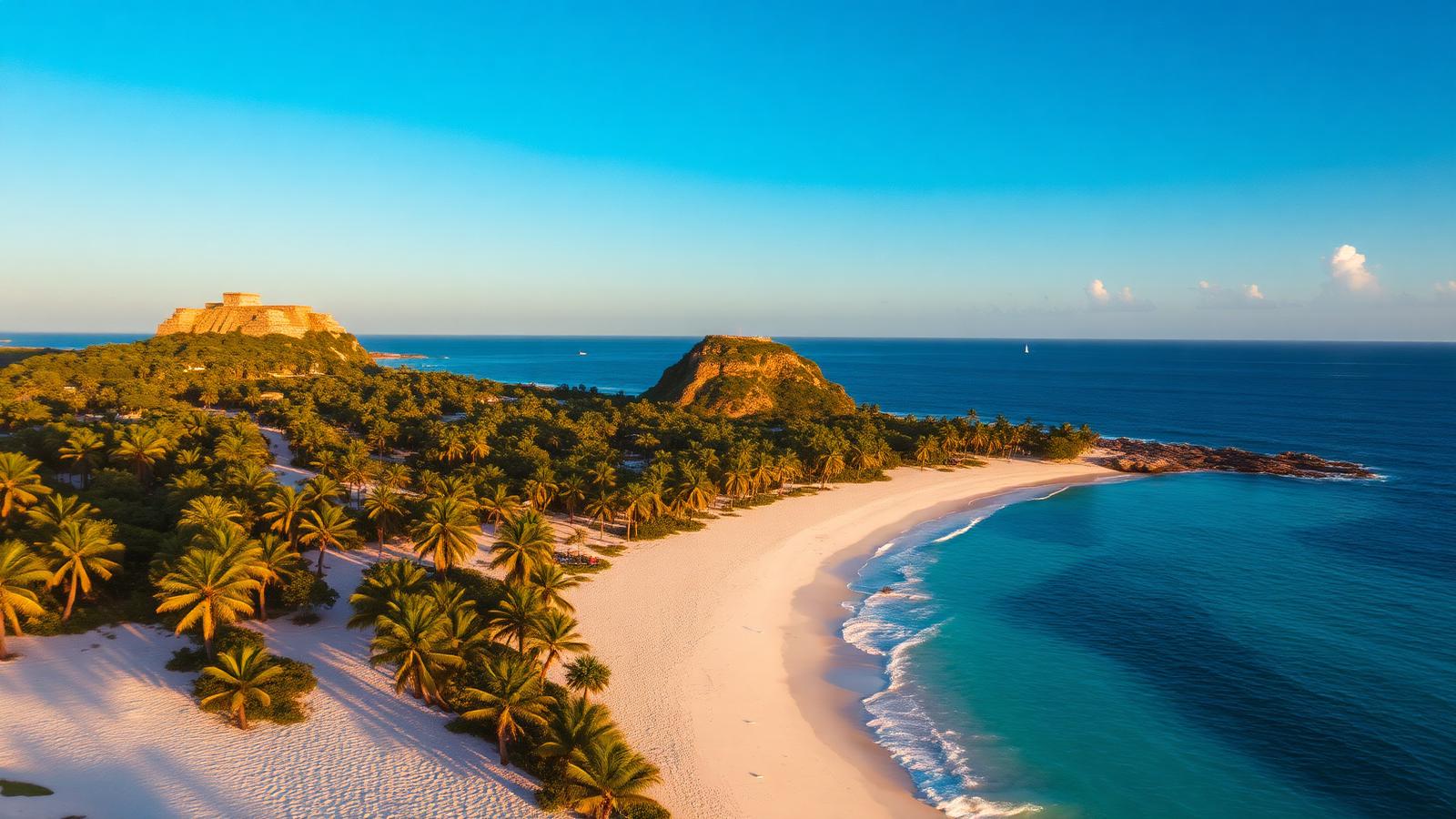
Is Tulum safe? Yes, in 2026 Tulum remains a Level 2 destination on the US State Department scale, the same tier applied to France, Germany and the United Kingdom. The realistic tourist risks are petty theft on the beach, ATM skimming, taxi overcharges and drink-tampering at bars, not cartel violence. This guide gives you the honest picture: what the current advisories actually say, how the Hotel Zone, Aldea Zamá and Tulum Pueblo compare on incident rate, whether the drive from Cancun on Highway 307D is safe, what changed after the 2022 beach-club shooting, and a 12-rule checklist that keeps 99% of visitors out of trouble.
Is Tulum Safe in 2026? Short Answer
Yes, Tulum is safe in 2026. As of July 2026 the US State Department keeps Quintana Roo (Tulum's state) at Level 2, Exercise Increased Caution, the same tier as France, Germany and the United Kingdom. Tulum's TQO airport opened in December 2023, occupancy across the Hotel Zone sits above 80% in the peak season, and violent incidents against foreign tourists in the resort strip and Aldea Zamá are extremely rare. The safety story worth taking seriously is petty crime and the beach-road drug economy, not the news-cycle cartel headlines that geography keeps 1,200 miles away.
What the US State Department Says About Tulum Right Now
The US State Department places Quintana Roo, the state containing Tulum, Cancun, Playa del Carmen and Cozumel, at Level 2 (Exercise Increased Caution) as of 2026. Level 2 means the same thing it means for France or Italy: normal precautions apply, plus stay alert. The advisory text specifically flags 'sporadic gang-related violence in Playa del Carmen and Tulum,' notes that bystanders have been affected, and recommends staying in tourist zones after dark and using licensed transportation. It does not recommend against travel. It does not restrict US government employees from visiting the Riviera Maya. Compare Level 2 with the six states at Level 4 (Do Not Travel), Colima, Guerrero, Michoacán, Sinaloa, Tamaulipas and Zacatecas, and the tier difference is clear.
| Government | Tier for Quintana Roo (Tulum) | Practical meaning |
|---|---|---|
| US State Department | Level 2 of 4, Exercise Increased Caution | Same tier as France, Germany, UK |
| Government of Canada | Exercise a high degree of caution | Middle tier of 4; not a warning |
| UK FCDO | See our advice before travelling | General guidance, no red flag |
| Australia DFAT | Exercise a high degree of caution | Middle tier; standard for tourist Mexico |
Tulum Safety by Neighborhood: Pueblo, Hotel Zone, Aldea Zamá
Tulum safety varies sharply by neighborhood, more sharply than Cancun. The Hotel Zone (Zona Hotelera) is the 8 km beach-road strip of boutique hotels and beach clubs; safe by day, safe until midnight in the km 0–8 segment, unlit and rural beyond km 8. Aldea Zamá is the gated residential and boutique-hotel district between Highway 307 and the beach road; the safest overall neighborhood, popular with digital-nomad long-stays and families. Tulum Pueblo is the working town where locals live, along Highway 307; safe by day, busier at night in the bar strip near Avenida Coba, and where most local drug-dispute incidents occur. La Veleta and Región 15 are newer residential zones inland, mid-safety, mostly used by long-stay travelers.
| Neighborhood | Day | Night | Best for |
|---|---|---|---|
| Hotel Zone km 0–8 | Very safe | Safe until ~midnight | Beach clubs, boutique hotels |
| Hotel Zone past km 8 | Safe (few businesses) | Avoid, unlit rural road | Sian Ka'an biosphere tours only |
| Aldea Zamá | Very safe | Very safe | Families, long-stay, quiet base |
| Tulum Pueblo (Av. Coba bar strip) | Safe | Busy, watch bar area | Restaurants, budget stay |
| Tulum Pueblo (residential) | Safe | Stay street-smart | Local experience |
| La Veleta / Región 15 | Safe | Prefer taxi at night | Airbnb long-stay |
Crime in Tulum: What the Numbers Actually Show
Tulum's crime numbers are higher than a small beach town's numbers should be, and lower than most large US cities. The Tulum municipality reported roughly 34 homicides per 100,000 residents in the most recent full year (SESNSP data), a rate driven almost entirely by local drug-dispute activity in Pueblo bar districts, not by tourist-directed crime. For comparison: New Orleans sits near 40 per 100,000, Baltimore near 51, Detroit near 39, and Mexico City near 8. The number that matters more for a tourist: fewer than 10 foreign-tourist homicides have occurred in Tulum in the past five years, most in cartel-adjacent bystander incidents in the Pueblo bar zone or on the beach road late at night. Petty theft, phones lifted at beach clubs, wallets from unattended bags, motorbike theft, is the far more common tourist experience.
| City | Homicides / 100k | Compared to |
|---|---|---|
| Tulum, Mexico | ~34 | Local drug-dispute driven |
| Cancun, Mexico | ~12 | Tourism-protected |
| Mexico City | ~8 | National capital |
| Baltimore, USA | ~51 | Higher than Tulum |
| New Orleans, USA | ~40 | Higher than Tulum |
| Detroit, USA | ~39 | Higher than Tulum |
Is Tulum Safe from Cartels? The 2022–2026 Honest Context
For tourists staying in the Hotel Zone, Aldea Zamá or on organized tours, yes. Mexico's two largest cartels, Jalisco New Generation (CJNG) and Sinaloa, operate along Pacific-coast trafficking corridors 1,200 to 1,600 miles west of the Yucatan Peninsula. Tulum's local drug economy is smaller, and driven by disputes between rival crews selling to the beach-club and nightlife scene rather than by big-cartel territorial war. Two high-profile incidents shaped the current picture: October 2021 at La Malquerida bar in Tulum Pueblo, and November 2022 near Mia Beach Club on the beach road. Both were shootings between local crews; in each case, foreign tourists were bystanders, not targets. The tragic outcome pushed Quintana Roo to reinforce the beach-road security battalion, expand federal police presence and add tourist-specific patrols. Since 2023, comparable incidents inside the tourism strip have declined.
Is Tulum Safe for Tourists on the Beach Road at Night
Yes for the populated segment (Hotel Zone km 0 through km 8) until roughly midnight, the strip is well-populated, patrolled by the state tourist-security battalion since 2023, and lined with beach clubs and boutique hotels that keep the road busy. No for the rural segment past km 8, the road turns unlit and runs through the Sian Ka'an Biosphere Reserve buffer zone with no businesses and thin phone signal. Do not walk, bike or scooter this stretch at night. After 1 a.m., the safest move is to stay inside your hotel or take a hotel-arranged private car back. The beach-road drug economy is real: politely decline any offers, keep moving and never accept a drink or drug from a stranger.
Is Tulum Safe for Solo Female Travelers
Yes for the Hotel Zone and Aldea Zamá, with reasonable precautions. Solo female travelers consistently rate Tulum safer than New Orleans, Miami South Beach or Barcelona's Raval in TripAdvisor and Solo Female Travelers Facebook groups. Practical rules that solve 95% of incidents: stay in the Hotel Zone or Aldea Zamá, use scheduled transport rather than street taxis after 10 p.m., never leave a drink unattended in a beach club or dance floor, decline unsolicited drug offers on the beach road, skip late-night walks on the km-8+ unlit stretch, and use a cross-body bag rather than a beach tote in Pueblo bar zones. The realistic risks are drink-tampering and phone theft on crowded dance floors, not violent assault. Firm 'no gracias' and moving to a busier spot ends most harassment.
Is Tulum Safe for LGBTQ+ Visitors and Couples
Yes, Tulum is one of the most openly welcoming stops in Latin America for LGBTQ+ travelers. Same-sex marriage is legal across Mexico. Tulum's beach-club scene and boutique-hotel operators are visibly queer-inclusive; Ahau, Papaya Playa Project, Casa Malca and Nômade have long records of hosting same-sex couples and gender-non-conforming guests without incident. Public displays of affection are common on the beach and in Aldea Zamá. Tulum Pueblo is more conservative than the Hotel Zone; discretion is reasonable in the central plaza and Mercado 2 area, though incidents are rare. The trans-inclusive nightlife scene is stronger in Playa del Carmen 65 km north, but Tulum is comfortable for the vast majority of LGBTQ+ travelers.
Is Tulum Safe for Families with Kids
Yes, Tulum is one of the more family-friendly Riviera Maya bases when you build the trip around the right zones. Aldea Zamá gated residential complexes and the calmer daytime beach clubs (Ziggy's, Ana y José, La Zebra family sections) work well for young kids. The archaeological site has flat, walkable paths and shade. The realistic family risks are strong sun (bring reef-safe SPF 50), jellyfish season April through August, and food or water upsets, stick to bottled water and busy restaurants. Skip the beach road on scooters or bikes for kids under 12, avoid the Pueblo bar strip after 10 p.m. with children, and book cenote tours from operators that provide life jackets.
Is It Safe to Drive from Cancun to Tulum on Highway 307D
Yes, the 130 km drive from Cancun to Tulum is one of the safer highway drives in Mexico. Highway 307D is a modern four-lane toll route patrolled by federal Guardia Nacional and state police, with three fueling stops and a mid-route pass through Playa del Carmen. Daylight driving time runs 1 h 45 min to 2 h. The rules that keep this drive uneventful: daylight only (leave Cancun before 3 p.m. to arrive with sunset margin), keep a full tank, use only PEMEX-branded stations, do not stop for unofficial roadblocks, keep valuables out of sight, and never drive after drinking, Mexico is a zero-tolerance country. Rental-car agencies in Cancun airport now offer GPS-tracked vehicles with 24-hour road assistance included. If you are not fully comfortable with Latin American highway driving, a scheduled private transfer solves the problem in one payment.
The full logistics of the drive, fuel stops, toll costs, checkpoint etiquette and Playa detour, are broken down in our how far is Chichen Itza from Tulum guide, and the airport-side of the same route in Cancun airport transfer.
Tren Maya and TQO Airport: How 2023 Infrastructure Changed Safety
December 2023 brought two structural changes that made Tulum meaningfully safer for tourists. Tren Maya opened its Cancun–Tulum stretch, giving visitors a rail alternative to the highway and reducing rental-car exposure. Tulum International Airport (TQO) opened the same month, cutting the transfer-vulnerability window from a 2-hour Cancun–Tulum drive to a 20-minute TQO–Hotel Zone hop. Both projects came with a permanent federal security footprint: Guardia Nacional stations along the rail corridor, expanded state-police coverage on the airport access road, and a dedicated tourist-security battalion patrolling the beach road. The result: shorter exposure, more patrols, faster response times.
Taxi Scams, ATM Skimming, and Timeshare Traps to Avoid
The realistic tourist risks in Tulum are wallet-level, not violent. The four scams worth knowing: (1) Taxi overcharge, union taxis are unmetered; a Pueblo-to-Hotel Zone ride should be 200–350 pesos and a TQO airport transfer 800–1,200 pesos. Confirm in pesos before you get in and walk away from anyone who quotes in USD. (2) ATM skimming, use only ATMs inside a bank branch (Santander, Banorte, HSBC), never a freestanding ATM in a beach-club lobby or convenience store. (3) Beach-club wristband upsells, 'included' access wristbands sometimes have a minimum-consumption clause you were never told about; read the sign or ask before you commit. (4) Timeshare presentations, free breakfast or free tour offers at hotel lobbies almost always mean a 90-minute high-pressure sales pitch. Politely decline and keep walking.
Fake Police and Bribe Requests: What to Do
Fake-police stops in Tulum are rare in 2026 but not zero. The real municipal police wear dark blue uniforms and drive marked units with a visible unit number. If you are pulled over, keep windows mostly up, hand your license through a small opening, and ask for the officer's name and unit number. If someone in plainclothes claims to be police without a badge and marked vehicle, drive to the nearest hotel lobby or PEMEX station and call 911. If asked for a bribe by a real officer, the safe pattern is to stay polite, refuse firmly, and ask them to write you a proper ticket in writing. Nine out of ten times, the request evaporates. Formal complaints go to the state comptroller's office; keep the officer's name and badge if you record it.
Beach Club Safety: Wristbands, Drinks, and Valuables
Beach clubs are the setting for most low-level Tulum incidents. Four rules solve 95% of them. (1) Never leave a drink unattended, drink-tampering is the single most common serious incident in the Hotel Zone. Ask the bartender to pour in front of you and keep your hand over the glass on the dance floor. (2) Use the locker, not the beach bag, phone and wallet theft from unattended tote bags is routine. Every serious beach club has 100-peso lockers; use them. (3) Read the minimum-consumption sign before you take a sunbed, Tulum sunbed minimums run 800–2,500 pesos per person and are legally enforceable. (4) Skip the 'free wristband' guy on the beach, it's usually a timeshare or nightclub upsell with a hidden clause.
Cenote and Jungle-Tour Safety Essentials
Cenotes and jungle tours are among the safest activities in Tulum when you book with a licensed operator. The Yucatan aquifer is safe to swim in, Gran Cenote, Dos Ojos, Casa Cenote and Cenote Calavera all meet Mexican water-quality standards. The realistic risks are slipping on wet limestone, choking on unfamiliar snorkel-gear water, and light hypothermia in cave cenotes (24 °C water). The rules: always wear the provided life jacket, use biodegradable sunscreen (regular SPF is fined 500 pesos on entry), stay with the group in cave systems, and skip cenote-diving if you are not certified. Book with an operator that has commercial insurance and a licensed guide, not a random pickup at the highway turnoff.
The full ranked shortlist with 2026 prices, depths and swim rules is in our Tulum cenotes guide.
Is Tulum Safe Right Now vs Cancun and Playa del Carmen
For the average tourist, Cancun's Hotel Zone, Playa del Carmen's tourist strip and Tulum's resort strip all feel similar, safe by day, safe until midnight in the populated core, and only meaningfully different when you go inland to the working towns after dark. The ranking most travelers actually experience: Cancun Hotel Zone > Aldea Zamá > Playa del Carmen tourist zone > Tulum Pueblo bar strip. All four sit inside Quintana Roo's Level 2 advisory and all four are safer than most large US downtowns. The specific municipal crime numbers, tourism-policing density and Hotel Zone incident history for Cancun live in its own safety guide, this section keeps the frame on how Tulum feels relative to its neighbors.
The full Cancun side of this comparison is broken down in our is Cancun safe guide.
Medical Care, Pharmacies, and Emergency Numbers in Tulum
Tulum's medical infrastructure is small but competent. Costamed Tulum (Av. Coba, +52 984 802 5555) is the main international-standard private hospital, accepts most travel insurance and has English-speaking staff. Hospiten Riviera Maya sits 45 minutes north on Highway 307 and handles complex cases. Farmacias del Ahorro and Farmacia Similares operate in the Pueblo; most common medications (antibiotics, antihistamines, seasickness tablets) are sold over the counter at Mexican prices. Emergency numbers: 911 nationwide, Tulum tourist police +52 984 802 5688, US Consulate Merida +52 999 942 5700, Canadian Embassy +52 55 5724 7900. Save these before you leave the airport.
Hurricane Season and Weather-Related Safety
Atlantic hurricane season runs June 1 through November 30, with September and October the peak-risk months. Tulum's Hotel Zone hotels build to strict hurricane code and every larger property has a shelter-in-place plan, generator power and multi-day water reserves. The realistic tourist risk is not the storm itself, it's the disruption around it: airport closures, cancelled tours and 3–5 day advance rerouting. Buy travel insurance that covers weather cancellation, book refundable rates in September and October, monitor NOAA National Hurricane Center forecasts if a system develops in the Caribbean, and consider Aldea Zamá over the beach road for peak-storm-month stays (higher elevation, better drainage). Beach flags matter too: red flag = do not swim, yellow = strong current, green = calm.
Water, Food, and Mosquito-Borne Illness Precautions
Drink bottled water only, as in the rest of Mexico. Every Hotel Zone hotel filters and purifies its own tap water, so hotel ice, coffee and cooking water are safe. Off-property, buy sealed 1.5-liter bottles at Oxxo or supermarkets. Tap water is fine for showering and brushing teeth. Food-safety pattern: busy restaurants with turnover are safe; pre-cut fruit and ceviche from unshaded street stalls are the main upset trigger. Mosquito-borne illness (dengue, zika, chikungunya) exists but is uncommon in the Hotel Zone; heavier in the jungle and biosphere reserve. Use DEET repellent on cenote and Sian Ka'an days, cover ankles at dusk and sleep under air conditioning.
What to Do If Something Goes Wrong: Police, Consulate, Insurance
Move to a busy, well-lit space first, a hotel lobby, a beach club or the archaeological-zone entrance. Call 911 for immediate emergencies (works in English and Spanish state-wide). For non-urgent tourist issues, call the Tulum tourist-police direct line at +52 984 802 5688, response times in the Hotel Zone typically run under 12 minutes. Theft must be reported in person at the Ministerio Público in Tulum Pueblo (Av. Tulum, next to city hall) to get the official denuncia paperwork travel insurance requires. For consular help, US citizens call the Merida Consulate at +52 999 942 5700, Canadians +52 55 5724 7900, UK citizens the Consulate in Cancun +52 998 881 0100. Keep a paper copy of your passport, hotel address and emergency numbers separate from your phone.
Tulum Safety Checklist: 12 Rules That Keep 99% of Visitors Safe
Everything above compressed to twelve rules. Follow all twelve and you will almost certainly return home with nothing to write about but ruins, cenotes and sun. (1) Stay in the Hotel Zone or Aldea Zamá, not remote Airbnbs. (2) Move around by day; hotel-arranged transport after 10 p.m. (3) Drink only bottled water; never leave a drink unattended. (4) Use ATMs inside bank branches only. (5) Confirm every taxi price in pesos before you get in. (6) Never accept unsolicited drug offers on the beach road. (7) Skip the km 8+ beach-road stretch on foot, bike or scooter at night. (8) Wear reef-safe SPF; respect beach-flag colors. (9) Use biodegradable sunscreen at cenotes; always wear the life jacket. (10) Drive Cancun–Tulum in daylight only, PEMEX-only fuel stops. (11) Politely decline lobby 'free breakfast' and 'free wristband' offers. (12) Save 911, +52 984 802 5688 and your consulate number to your phone before leaving the airport.
Tulum Safety FAQ: Quick Answers to Common Concerns
The section below covers the questions travelers ask us most on WhatsApp before booking, from solo-female checklists to cartel context to whether the drive from Cancun makes sense. Read the ones that match your trip; skip the ones that don't.
Related Tulum Reading
Once your safety questions are settled, most travelers plan the rest of the trip. Our things to do in Tulum guide ranks 22 activities, and the Tulum ruins guide walks the archaeological site temple by temple. If Chichen Itza is next on your list, a door-to-door private day from your Tulum hotel is covered on our Chichen Itza from Tulum page.
The Bottom Line: Tulum in 2026
Tulum is safe in 2026, safer than most large US downtowns for the resort-strip vacationer who follows a short list of rules. The US State Department keeps Quintana Roo at Level 2, cartel activity is a Pacific-coast story that geography keeps 1,200 miles away, and the beach road picked up a permanent tourist-security battalion after 2022. Book in the Hotel Zone or Aldea Zamá, use scheduled transport after 10 p.m., respect beach flags and the beach-road drug economy, drink bottled water only, and pick a licensed operator for cenote and archaeological day trips. That is the entire safety curriculum. If Chichen Itza is on your list, Itza Quest runs the same door-to-door private model most safety-cautious Tulum travelers end up choosing, booking is a short WhatsApp message, not a form.
Travelers weighing Tulum against the next town north usually ask the same question there, and the answer is different: Playa has more petty theft but fewer late-night incidents on the main strip. The 2026 numbers are in is Playa del Carmen safe.
Continue reading
Related guides with the same travel intent.
Frequently Asked Questions
Is Tulum safe right now in 2026?
Yes. In 2026 Tulum remains a Level 2 destination, Exercise Increased Caution, the same US State Department tier applied to France, Germany and the United Kingdom. Tren Maya opened Tulum's TQO airport in December 2023, the beach-road police presence has been reinforced with a dedicated tourist-security battalion, and violent incidents against foreign tourists in the Hotel Zone are extremely rare. The realistic risks are petty theft on the beach, ATM skimming, taxi overcharges and drink-tampering at bars, not cartel violence.
Is Tulum safe from cartels?
For tourists in the Hotel Zone and archaeological areas, yes. Mexico's largest cartels, CJNG and Sinaloa, operate along Pacific-coast corridors more than 1,200 miles west of the Yucatan Peninsula. Local drug-dispute activity does exist in Tulum Pueblo bar districts and along the beach-club drug economy, but incidents almost always target people involved in local drug sales, not vacationing foreigners. The October 2021 shooting at La Malquerida bar and the November 2022 shooting near Mia Beach Club were both cartel-adjacent disputes among locals, foreign tourist fatalities were tragic bystander cases, not targeting.
Is Tulum safe for solo female travelers?
Yes, with reasonable precautions. Solo women consistently rate Tulum's Hotel Zone and Aldea Zamá safer than most European city centers in TripAdvisor and Solo Female Travelers Facebook groups. The practical rules: stay in the Hotel Zone or Aldea Zamá, use scheduled transport rather than street taxis after 10 p.m., never leave a drink unattended in a beach club, decline unsolicited drug offers on the beach road, and skip solo late-night walks on the unlit stretch of Carretera Tulum-Boca Paila. Sexual harassment is uncommon; drink-tampering and phone theft on dance floors are the real risks.
Is it safe to drive from Cancun to Tulum in 2026?
Yes. The 130 km drive from Cancun to Tulum runs on Highway 307D, a modern four-lane toll route patrolled by federal Guardia Nacional and state police. Driving time in daylight is 1 h 45 min to 2 h. The route is well-lit, has three fuel stops and passes through Playa del Carmen roughly halfway. Rules: drive daytime only, keep a full tank, don't stop for unofficial roadblocks, use only PEMEX-branded stations, and never drive after drinking, Mexico is a zero-tolerance country. If you are not comfortable with Latin American highway driving, a scheduled private transfer is a strong alternative.
What is the current US State Department travel advisory for Tulum?
Quintana Roo, the state containing Tulum, Cancun, Playa del Carmen and Cozumel, is Level 2 (Exercise Increased Caution) as of 2026. This is the same tier applied to France, Italy and the United Kingdom. The advisory text specifically flags isolated nightlife violence in the Riviera Maya bar scene and recommends staying in tourist zones after dark. Level 3 (Reconsider Travel) and Level 4 (Do Not Travel) apply only to Colima, Guerrero, Michoacán, Sinaloa, Tamaulipas and Zacatecas, none of which touches Quintana Roo.
Are Tulum taxis safe? Is Uber available?
Tulum taxis are safe but expensive and unmetered. Union drivers control the market, Uber operation is legally contested and coverage inside Tulum is limited (though it works well between towns on Highway 307D). Confirm the fare in pesos before you get in, typical Pueblo-to-Hotel Zone rides run 200–350 pesos, and airport TQO transfers run 800–1,200 pesos. Never share a ride with strangers, keep a hotel taxi list on your phone, and use hotel-arranged pickups after midnight. If you feel the price is wrong, walk away and try another driver, most will negotiate down.
Is the Tulum beach road safe at night?
The Hotel Zone segment from km 0 to km 8 is safe until roughly midnight, this is the beach-club and boutique-hotel strip, well-populated and now patrolled by a dedicated tourist-security battalion since 2023. Past km 8, the road turns unlit and rural through the biosphere reserve; do not walk, cycle or scooter this stretch at night. After 1 a.m., stay inside your hotel or use a hotel-arranged car to get home. The beach-road drug economy is real: politely decline all offers and keep walking.
Is Tulum safe for families with kids?
Yes, Tulum is one of the most family-friendly stops in the Riviera Maya. The Hotel Zone beach clubs are calm during daylight hours, the archaeological site has flat walkable paths and shaded areas, and Aldea Zamá has gated residential complexes popular with long-stay families. The realistic family risks are strong sun (bring reef-safe SPF 50), jellyfish season April–August, and food or water upsets, stick to bottled water and busy restaurants. Avoid the nightlife strip after 10 p.m. with kids and skip the beach road on scooters or bikes at any age under 12.
Is Tulum safe for LGBTQ+ travelers?
Yes, Tulum is one of the most openly welcoming destinations in Latin America for LGBTQ+ travelers. Same-sex marriage is legal across Mexico. Tulum's beach-club scene and boutique-hotel operators are visibly queer-inclusive, and Ahau, Papaya Playa Project and Casa Malca have long records of welcoming same-sex couples. Public displays of affection are common on the beach and in Aldea Zamá. Tulum Pueblo is more conservative than the Hotel Zone; discretion is reasonable in the central plaza and market area, though incidents are rare. The trans-inclusive scene is stronger in Playa del Carmen 65 km north, but Tulum is comfortable for most travelers.
What should I do if something goes wrong in Tulum?
Move to a busy, well-lit space first, a hotel lobby, a beach club or the archaeological-zone entrance. Call 911 (works in English and Spanish state-wide). The Tulum tourist-police direct line is +52 984 802 5688. The US Consulate in Merida serves Tulum at +52 999 942 5700; the Canadian Embassy is +52 55 5724 7900. For medical emergencies, Costamed Tulum (Av. Coba, +52 984 802 5555) accepts international travel insurance. File any theft report at the Tulum Ministerio Público in the Pueblo, an official report is required for insurance claims. Keep passport photocopies, hotel address and emergency numbers separate from your phone.