
The Mayan Ball Game: Rules, the Rubber Ball, the Rings and the Sacrifice Question

How the Mayan ball game was played: the rules, the solid rubber ball, hip-only contact, the stone rings, what the sacrifice carvings actually show, and where it survives today as ulama.
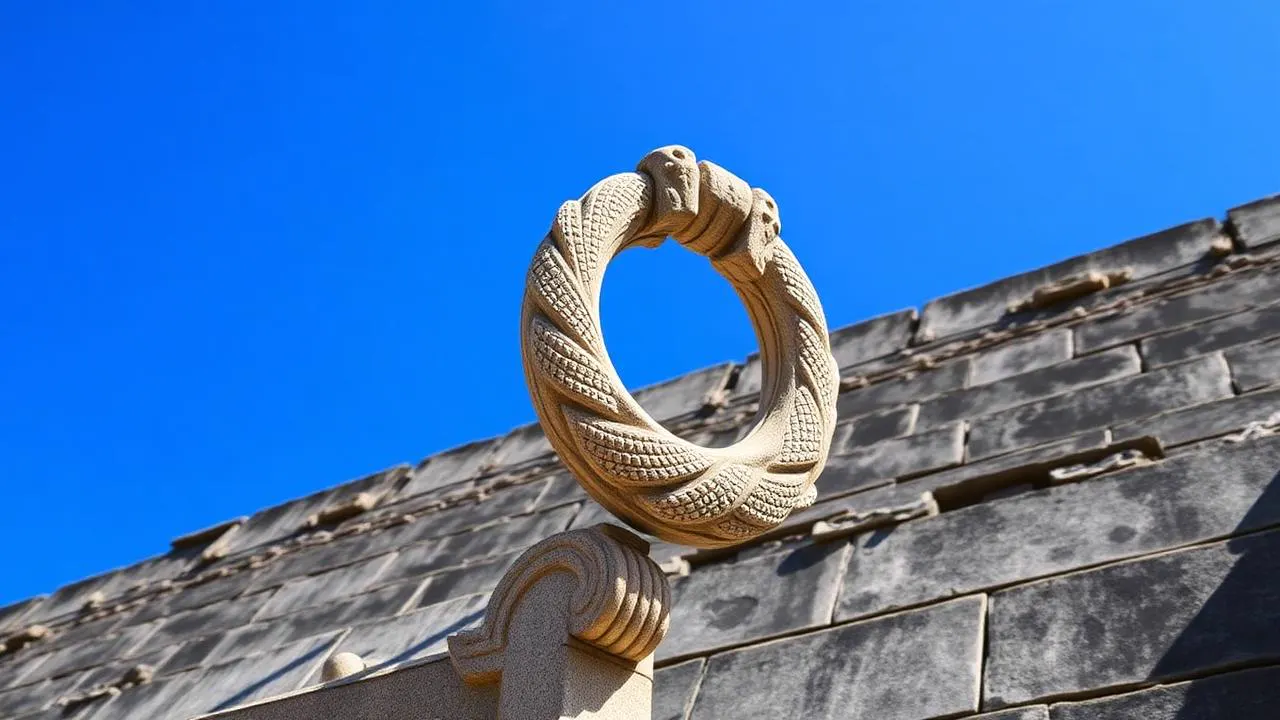
The Mayan ball game was a hip-driven sport played with a solid rubber ball weighing up to 4 kilograms, on a walled masonry court, sometimes for entertainment and sometimes with a life at stake. It ran for at least 2,700 years across Mesoamerica.
Rules the Carvings and Codices Actually Support
No Maya rulebook survives, so the rules come from carvings, painted vases and Spanish eyewitness accounts. What is consistent: hips, thighs and forearms only, no hands or feet, the ball must stay off the ground, and scoring depends on the opponent failing to return it.
| Element | Detail | Why it mattered |
|---|---|---|
| Ball | Solid latex rubber, 3-4 kg, 20-30 cm | Heavy enough to cause internal injuries |
| Contact | Hip, thigh, forearm; no hands or feet | Forced sideways body strikes and padding |
| Gear | Yoke belt, hip pads, kneepads, hand stones | Protected the pelvis and bones from impact |
| Rings | 6 m up, ~30 cm opening, serpent carved | Instant win, but extremely rare |
| Court | I-shaped alley with sloping side walls | Walls kept the ball in play |
Why the Ball Weighed as Much as a Bowling Ball
Maya rubber was not raw latex. Tappers mixed Castilla elastica sap with morning glory vine juice, which cross-links the polymer and produces a bouncy, durable solid. That chemistry predates Goodyear's vulcanisation by roughly 3,000 years.
Injuries Written Into the Equipment
The thick yoke belts and padded hip guards in Maya figurines exist because a 4-kilogram ball travelling at speed breaks ribs and ruptures organs. Spanish chroniclers recorded players dying from blows to the abdomen, without any ritual sacrifice involved.
What the Sacrifice Panels at Chichen Itza Show
Six relief panels line the court's lower walls. One shows a kneeling decapitated player with seven serpents and a vine sprouting from the neck, a fertility image rather than a horror scene. The panels are described in place in the Great Ball Court guide.
Sacrifice was real but selective, tied to captured rivals and calendar dates rather than every match. The wider religious logic, and the underworld the Hero Twins descend into, is covered in the Mayan gods guide, with the ritual calendar in the Mayan calendar guide.
How Many Courts Existed Across the Maya World
More than 1,300 ball courts have been recorded in Mesoamerica, and Chichen Itza alone holds thirteen. The largest, at 168 by 70 metres, is the biggest in the ancient Americas. The city's overall growth and political reach are traced in the Mayan civilization guide.
Court count tracks political importance. A city with thirteen courts was hosting matches as diplomacy, drawing players and spectators from allied towns, and using the game the way modern states use stadium events.
Where to Stand at Chichen Itza to Hear the Court
The acoustics are the part no photo captures: a clap at one end returns nine echoes, and a normal voice carries the full 168 metres. Stand at the north temple, not the middle. The court's position on the walking route is in the Chichen Itza map guide.
Guides demonstrate the echo and read the panels in sequence, which turns a stone corridor into a match you can follow. Every Chichen Itza tour we run includes the ball court with a certified INAH guide, and Itza Quest keeps groups private so you are not straining to hear over another operator's headset.
Continue reading
Related guides with the same travel intent.
Frequently Asked Questions
How was the Mayan ball game played?
Two teams kept a heavy rubber ball in the air using hips, thighs and forearms, never hands or feet. Points came from the ball touching the opponent's end zone or failing to return. Passing it through a stone ring, where rings existed, ended the game instantly.
What was the Mayan ball called?
The game is called pitz in Classic Maya and pok-ta-pok in modern usage, while the ball itself was solid latex rubber tapped from Castilla elastica trees and cured with morning glory vine sap. Balls ranged from about 3 to 4 kilograms, dense enough to break bones.
Were the losers or winners sacrificed?
Evidence points to losers, and only in high-stakes ritual matches, not everyday play. The relief panels at Chichen Itza show a decapitated player kneeling with serpents rising from his neck. Most games were ordinary sport, played for stakes, prestige and gambling.
How high are the ball court rings?
At Chichen Itza the two stone rings sit about 6 metres above the playing floor, carved with intertwined feathered serpents and roughly 30 centimetres across. Getting a 4-kilogram ball through that opening using only the hips was rare enough to end the match.
What did the ball game mean to the Maya?
The court re-enacted creation. In the Popol Vuh the Hero Twins defeat the lords of the underworld at the ball game, so play represented the daily struggle of sun against darkness. Rulers used matches to settle disputes and stage political theatre.
Is the Mayan ball game still played?
Yes. A descendant version called ulama survives in Sinaloa, and pok-ta-pok leagues have revived across Yucatan since 2000, including flaming-ball night exhibitions in Merida and Valladolid. Modern players still strike the ball with the hip, wearing padded protection.