
Inside the Chichen Itza Pyramid: The Hidden Temple, the Jaguar Throne and the Cenote Below

What is inside the Chichen Itza pyramid: an older pyramid nested within it, a red jaguar throne, a chacmool, a third structure found in 2016 and a cenote under the foundation.
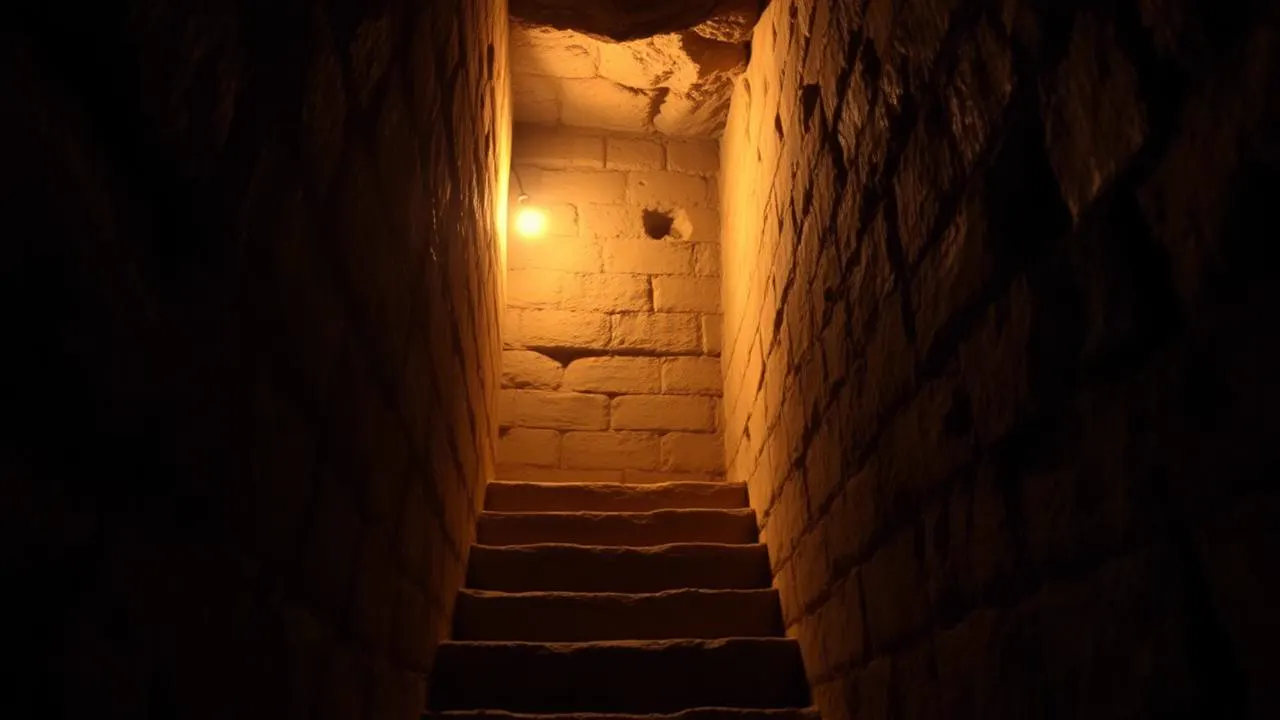
Inside the Chichen Itza pyramid there is another pyramid, and inside that, probably a third. The Maya built El Castillo over an earlier temple that still contains a red jaguar throne and a chacmool, and a natural cenote sits in the bedrock 20 metres below the whole stack.
The Older Pyramid Sealed Inside the Visible One
The inner pyramid measures roughly 33 metres per side against the outer building's 55, and dates to around 800 AD, at least a century earlier. Maya builders did not demolish old temples; they encased them, so the earlier structure survives almost intact under the newer skin.
That layering is the key to reading the whole building, and the terrace count, staircase maths and calendar coding of the outer pyramid are set out in the Kukulcan Pyramid guide.
| Structure | Approx. date | Base size | Status |
|---|---|---|---|
| Outer El Castillo | c. 900-1000 AD | 55 m per side | Visible, climbing prohibited |
| Inner pyramid | c. 800 AD | 33 m per side | Sealed, closed to public since 2006 |
| Third structure | Earlier still | c. 13 m tall | Detected 2016, never excavated |
| Cenote below | Natural | 25 x 30 m cavity | Mapped 2015, no human access |
Why the Red Jaguar Throne Still Sits Where It Was Left
Mexican archaeologists tunnelled into the north staircase in 1931 and reached the buried temple in 1935. Inside stood a jaguar-shaped throne coated in cinnabar red, its spots made from 73 jade discs, its eyes jade and its fangs shell. Nothing had been looted.
The Chacmool Guarding the Doorway
A reclining chacmool figure sits in the antechamber, holding a flat disc on its stomach where offerings were placed. The same figure type appears in the open air on the platform covered in the Temple of the Warriors guide, which is the closest thing to seeing the inner chamber's contents in daylight.
The Cenote Discovered Under the Foundation in 2015
A UNAM team ran electrical resistivity tomography under the plaza and found a water-filled cavity about 20 metres beneath the pyramid, roughly 25 by 30 metres with 5 metres of water. The limestone cap between the cenote roof and the pyramid base is thin.
The placement looks deliberate. Four known cenotes sit at the cardinal points around the city, and the pyramid stands between them over a fifth, hidden one. The most famous of the four is described in the Sacred Cenote guide, and the water-and-underworld beliefs behind it are covered in the Mayan gods guide.
Why the Interior Closed and Whether It Will Reopen
INAH sealed the inner passage in 2006 after safety and conservation reviews: the tunnel is a single narrow file, humidity from thousands of visitors accelerates decay, and one fatal accident on the exterior stairs that year forced a wider closure. The exterior rules are set out in the can you climb Chichen Itza guide.
No reopening is planned. Ongoing research uses non-invasive imaging rather than tunnelling, which means the third structure detected in 2016 will likely stay unexcavated for decades.
Seeing the Hidden Layers From Outside the Pyramid
You can still read the buried pyramid from the plaza once someone points out the tunnel entrance on the north side, the joint where the outer casing meets earlier stone, and the equinox alignment explained in the Chichen Itza snake shadow guide. Where everything sits relative to the entrance is mapped in the Chichen Itza map guide.
None of this is on the site signage. Our Chichen Itza tours run with certified INAH guides who cover the 1935 excavation and the 2015 cenote survey on the spot, and Itza Quest keeps every group private so questions get real answers.
Continue reading
Related guides with the same travel intent.
Frequently Asked Questions
What is inside the Chichen Itza pyramid?
Inside El Castillo sits an older, smaller pyramid built around 800 AD. Its summit temple still holds a bright red jaguar throne inlaid with jade discs and a reclining chacmool figure. Beneath both structures lies a water-filled cenote detected by geophysical survey in 2015.
Can tourists go inside El Castillo?
No. The interior stairway and the chamber holding the jaguar throne were closed to the public in 2006 and remain closed in 2026. The passage is narrow, humid and structurally fragile, and INAH has given no indication that public access will return.
What is the red jaguar throne?
The red jaguar is a carved limestone throne shaped as a crouching jaguar, painted with bright red cinnabar and inlaid with 73 jade discs for its spots, jade eyes and shell fangs. Archaeologists found it in 1935 in the inner temple, still standing where it was left.
How many pyramids are inside El Castillo?
Researchers have identified two earlier structures nested inside the visible pyramid. The first, found in the 1930s, measures about 33 metres per side. A third and smallest structure roughly 13 metres tall was detected by electrical resistivity imaging in 2016.
Is there really a cenote under the pyramid?
Yes. A 2015 electrical resistivity survey mapped a water-filled cavity roughly 20 metres below El Castillo, about 25 by 30 metres wide with water some 5 metres deep. It sits between the four known surface cenotes, matching Maya ideas of the pyramid as a world axis.
Where can you see the artefacts from inside the pyramid?
The chacmool and several interior finds are displayed in Mexican museums, notably the Museo Nacional de Antropología in Mexico City. The red jaguar throne remains in place inside the sealed chamber, so photographs and museum replicas are the only way to see it.