
Mayan Ruins in Mexico: 12 Best Archaeological Sites for 2026, Ranked

The 12 best Mayan ruins in Mexico ranked for 2026, Chichen Itza, Tulum, Palenque, Uxmal, Ek Balam, Coba, Calakmul and more. Real 2026 entry fees, opening hours, drive times from Cancun, climb rules and honest picks for first-timers vs repeat visitors.
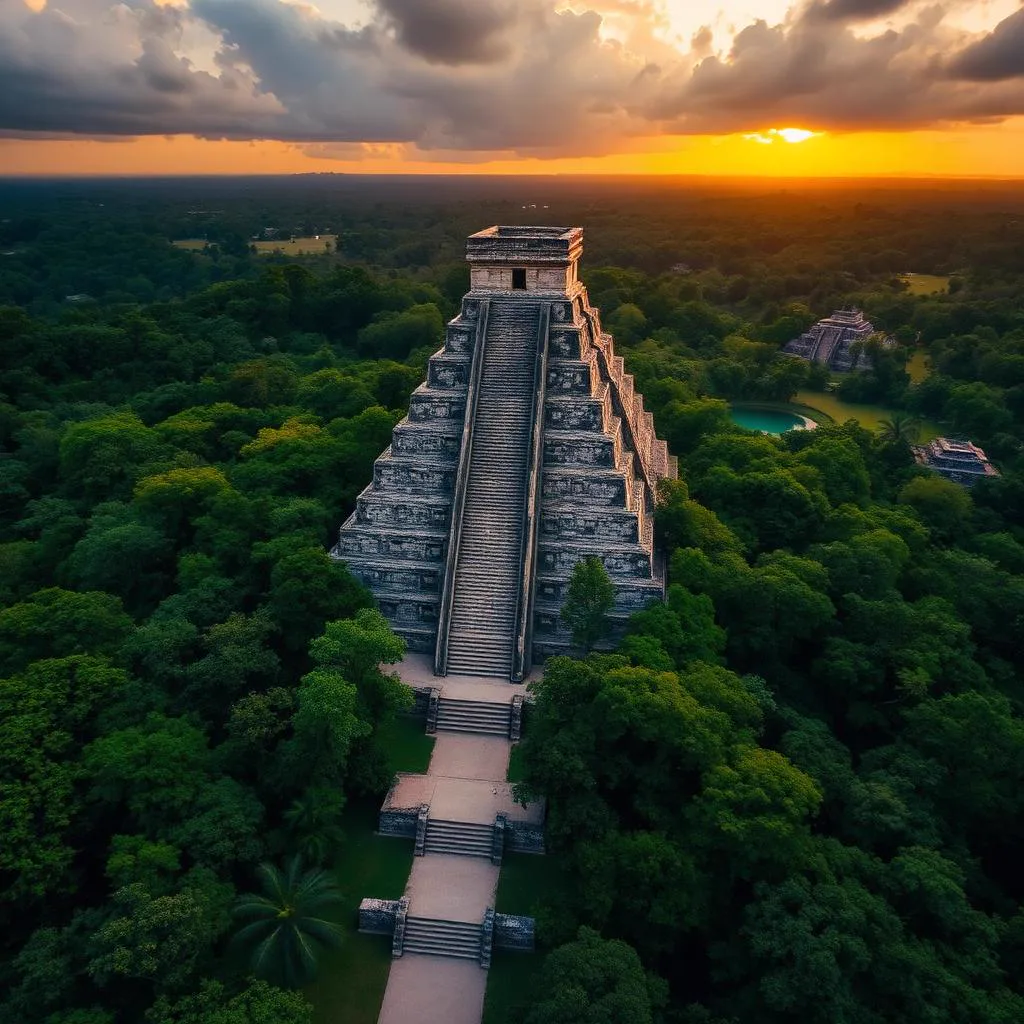
Mayan ruins in Mexico are the largest concentration of pre-Columbian archaeological sites in the Americas. INAH catalogues over 200 registered zones across five Mexican states, and 40 open their gates to visitors. The problem for a first-time traveller is not access, it's ranking. Chichen Itza, Tulum and Palenque appear on every list, but the drive times, entry fees, crowd levels and climb rules vary enormously. This guide ranks the 12 best Mayan ruins in Mexico for 2026 by what actually matters on the ground: how long from your hotel, how much for a foreign visitor, how tall the pyramid, whether you can still climb it, and which combine well with a cenote or colonial town in a single day.
Pakal's tomb and the jungle temples of Chiapas are covered in Palenque ruins.
The 12 Best Mayan Ruins in Mexico at a Glance
Every Mayan archaeological site below has published 2026 opening hours, a paved access road, restrooms and a licensed INAH ticket booth. Entry fees are the total foreign-visitor amount including federal INAH plus state or park surcharges. Drive times are one-way from Cancun International Airport unless the site is closer to Villahermosa or Merida, those bases are noted in the row. Sunday visits are free for Mexican nationals with ID, not for foreign visitors.
| # | Mayan ruin | State | Drive from Cancun | Entry 2026 (foreign) | Climbable? |
|---|---|---|---|---|---|
| 1 | Chichen Itza | Yucatan | 2 h 20 min | 720 pesos | No (closed 2006) |
| 2 | Tulum | Quintana Roo | 1 h 45 min | 185 pesos | No |
| 3 | Ek Balam | Yucatan | 2 h 15 min | 550 pesos | Yes, 30 m Acropolis |
| 4 | Uxmal | Yucatan | 4 h 30 min (from Merida: 1 h) | 545 pesos | Yes, Magician (ropes) |
| 5 | Palenque | Chiapas | Fly to Villahermosa + 2 h | 140 pesos | Yes, Temple of Cross |
| 6 | Calakmul | Campeche | 6 h (from Chetumal: 3 h) | 175 pesos | Yes, Structure II 45 m |
| 7 | Coba | Quintana Roo | 2 h | 100 pesos | No (Nohoch Mul closed 2020) |
| 8 | San Gervasio | Cozumel | 45 min ferry + 20 min | 205 pesos | No (low platforms) |
| 9 | Yaxchilán | Chiapas | Fly to Villahermosa + 4 h + boat | 95 pesos | Yes, Building 33 |
| 10 | Bonampak | Chiapas | Fly to Villahermosa + 4.5 h | 95 pesos | Partial (murals only) |
| 11 | El Meco | Quintana Roo | 15 min | 70 pesos | Yes, El Castillo small |
| 12 | Comalcalco | Tabasco | Fly to Villahermosa + 1 h | 95 pesos | Yes, Grand Acropolis |
1. Chichen Itza: The New 7 Wonder and the Most Complete Mayan City
Chichen Itza is the Mayan ruin every first-time visitor to Mexico should see. The 24-metre Kukulcan pyramid, El Castillo, is one of the New 7 Wonders of the World since 2007 and a UNESCO World Heritage site since 1988. On the spring and autumn equinoxes the setting sun projects a serpent-shaped shadow that appears to descend the north stairway, an engineering trick verified by archaeoastronomers at the Universidad Nacional Autónoma de México. Beyond El Castillo the site contains the largest Mesoamerican ball court (166 metres long), the Sacred Cenote where INAH divers have recovered over 400 ritual objects, and the Temple of the Warriors with 200 Toltec-style columns. Entry is 720 pesos for foreign visitors in 2026, open 8 a.m. to 5 p.m. daily. The site is 195 kilometres west of Cancun on Highway 180D. Book a private Chichen Itza tour to arrive before the 10:30 a.m. bus wave from Cancun and Playa del Carmen.
2. Tulum: The Only Mayan City on the Caribbean Cliff
Tulum is the youngest of the famous Mayan sites, occupied from 1200 CE until Spanish contact in 1518, and the only walled Mayan city built on a cliff above the sea. The 12-metre-high stone wall that gave the site its modern name (tulum means fence in Yucatec Maya) surrounds three sides; the fourth is a 12-metre limestone cliff dropping to Playa Paraíso. El Castillo, the House of the Descending God and the Temple of the Frescoes cluster on the cliff edge with panoramic Caribbean views. Since 2024 the ruins sit inside the Parque del Jaguar which added a 90-peso conservation fee on top of the 95-peso INAH entry, and access is now through a shuttle from the Pueblo Tulum entrance. Open 8 a.m. to 5 p.m. daily. Read the full Tulum archaeological site before you go, the site rewards a 90-minute visit but few visitors know El Castillo aligns with the sunrise on the winter solstice.
3. Ek Balam: The Climbable Pyramid 30 Minutes from Chichen Itza
Ek Balam, Black Jaguar in Yucatec Maya, is the Mayan ruin that lets you do what you cannot at Chichen Itza: climb the 30-metre Acropolis, walk past the stucco jaguar-mouth entrance to the tomb of king Ukit Kan Le'k Tok, and stand on the top platform looking out across unbroken jungle to the horizon. The site is 30 minutes north of Chichen Itza, 25 kilometres from Valladolid, and receives about 800 visitors per day versus 8,500 at Chichen Itza. Entry is 550 pesos combined federal and Yucatan state ticket in 2026, open 8 a.m. to 5 p.m. Cenote Xcanche sits 1.5 kilometres from the archaeological zone entrance and is the standard pairing on a tour. The full Ek Balam ruins covers the site's murder-mystery discovery and the eight-metre stucco frieze that survived intact under a Preclassic protective coating.
4. Uxmal and the Puuc Route: The Best Carved Stonework in the Yucatan
Uxmal is the flagship of the Puuc architectural style, precisely cut limestone facades covered in geometric mosaics and Chaac rain-god masks with hooked noses. The Pyramid of the Magician is the only rounded-corner Mayan pyramid, still climbable with rope assistance up its 32-metre stairway. The Nunnery Quadrangle, the Governor's Palace and the Great Pyramid form a 120-acre core that earned Uxmal UNESCO World Heritage status in 1996. The site sits 78 kilometres south of Merida, the standard base, not Cancun, which is 4 hours 30 minutes east. Entry is 545 pesos in 2026, open 8 a.m. to 5 p.m. The evening sound-and-light show (200 pesos, October to March) projects imagery onto the Nunnery walls. Combine Uxmal with the Puuc route sites, Kabáh, Sayil, Xlapak, Labná, for a full Merida-based day exploring pre-Chichen architectural mastery.
Fees, hours and the Pyramid of the Magician are in Uxmal ruins.
5. Palenque: The Chiapas Jungle Site with the Best Hieroglyphics
Palenque is the Mayan ruin with the richest concentration of hieroglyphic inscriptions in Mesoamerica. The Temple of the Inscriptions holds the sarcophagus of king K'inich Janaab' Pakal, discovered in 1952 by Alberto Ruz Lhuillier and now the reference tomb for the entire Classic Maya political history. The palace tower, the aqueduct-fed water system and the carved panels of the Cross Group all show the peak of 7th-century Mayan engineering. Palenque sits inside a national park at the edge of the Chiapas rainforest, 145 kilometres from Villahermosa (2 hours by rental car), you cannot day-trip here from the Yucatan peninsula. Entry is 95 pesos INAH plus 45 pesos national-park fee in 2026. Howler monkeys in the site trees are audible from opening at 8 a.m., the reason serious archaeology travellers pair Palenque with Yaxchilán and Bonampak on a three-day Chiapas loop.
6. Calakmul: The Tallest Climbable Pyramid Deep in the Campeche Jungle
Calakmul was the political rival of Tikal and the largest Mayan city by footprint, 72 square kilometres of jungle-buried structures inside the Calakmul Biosphere Reserve, a UNESCO Mixed Heritage site since 2014. Structure II rises 45 metres and is the tallest Mayan pyramid a visitor can legally climb in Mexico in 2026. From the top platform there is nothing but unbroken rainforest canopy stretching to Guatemala, no towns, no roads, only monkeys, jaguars (occasionally spotted at dawn) and hundreds of unexcavated mounds. The site sits 60 kilometres down a paved-then-dirt road off Highway 186; total drive from Cancun is 6 hours, so most visitors overnight in Xpujil or fly to Chetumal (3 hours by road). Entry is 175 pesos INAH plus 100 pesos biosphere fee in 2026, open 8 a.m. to 5 p.m.
7. Coba, San Gervasio, El Meco and Comalcalco: The Second-Tier Sites
Four sites sit below the flagship six but still deserve a slot on a two-week Mexico itinerary. Coba, 175 kilometres from Cancun, is the ancient Mayan trade hub whose 42-metre Nohoch Mul pyramid closed to climbing in 2020; visitors now rent bikes to cycle sacbé white-stone causeways between five outlying groups, entry 100 pesos. San Gervasio on Cozumel is Ixchel's fertility-goddess pilgrimage site, small, low platforms, but the only Mayan ruin on a Caribbean island; the full San Gervasio ruins covers the four structures and cruise-port taxi fares. El Meco, 15 minutes north of Cancun on the Isla Mujeres road, sees under 50 visitors a day and preserves an intact El Castillo pyramid; entry 70 pesos and worth 90 minutes if you cannot make Chichen Itza. Comalcalco in Tabasco is the world's only brick-built Mayan city, the local limestone ran out so the Chontal Maya fired 8 million clay bricks between 400 and 900 CE.
For the jungle site with the tall Nohoch Mul pyramid, see the Coba ruins guide.
8. Yaxchilán and Bonampak: The Painted Murals on the Guatemala Border
Yaxchilán and Bonampak are the two Mayan ruins that most reward the traveller who has already seen Chichen Itza and Palenque. Yaxchilán sits on a horseshoe bend of the Usumacinta river marking the Mexico–Guatemala border, you reach it by 40-minute lancha boat from Frontera Corozal after a 4-hour drive from Palenque. Its Building 33 preserves the finest carved lintels in the Mayan world, showing king Bird Jaguar IV and his wives in bloodletting rituals. Bonampak, 30 kilometres away in the Lacandon jungle, contains three rooms of painted murals from 790 CE, the most complete pre-Hispanic paintings in the Americas, showing a battle, torture of captives and a coronation dance in still-vibrant blues and reds. Both sites are 95-peso INAH entries and require a Lacandon community guide (200 pesos) at Bonampak; combine on a two-day loop out of Palenque.
Which Mayan Ruins in Mexico Should You Choose?
If you have one day in Mexico, book a Chichen Itza tour from Cancun, the New 7 Wonder plus Cenote Ik Kil and Valladolid is the highest-return single day in the Yucatan. If you have two days, add Ek Balam plus Cenote Xcanche for the climbable pyramid experience Chichen Itza cannot give you. If you have three days, drop down to Tulum for the Caribbean cliff site, see the Chichen Itza versus Tulum ruins for how the two sites differ on climb access, size and drive time. A full Yucatan week justifies Uxmal and the Puuc route from a Merida base. Chiapas, Palenque, Yaxchilán, Bonampak, is a separate flight and a separate trip; treat it as a second Mexico visit, not an add-on. Repeat visitors and archaeology-minded travellers should aim for Calakmul in Campeche, the tallest legally climbable pyramid and the wildest jungle setting on this list.
One Yucatan site on no ruins list belongs here anyway: Izamal, Mexico, where a 16th-century Franciscan convent was built directly on a Maya platform and the Kinich Kakmo pyramid still rises three blocks from the plaza, the clearest surviving example of conquest architecture stacked on Maya foundations.
Departures to the Yucatan Mayan Ruins
Every Mayan ruin in the Yucatan cluster, Chichen Itza, Ek Balam, Tulum, Coba, El Meco, is reachable as a same-day round-trip from the five main Caribbean coast bases. Chichen Itza from Cancun is 2 hours 20 minutes on Highway 180D. Chichen Itza from Tulum is 2 hours 10 minutes; the drive skirts the Coba turnoff. Chichen Itza from Playa del Carmen adds 40 minutes to the Cancun time. Chichen Itza from Cozumel requires the 45-minute Ultramar ferry to Playa first. Chichen Itza from Merida is the shortest at 1 hour 40 minutes on Highway 180 and the reason many Yucatan specialists base out of Merida rather than the coast. All five departures include hotel pickup at 6:30 to 7:30 a.m. and reach the archaeological zone before the mid-morning bus wave.
Itza Quest runs licensed INAH guides on every departure with a 4.9-star average across 4,163 reviews. Compare the group loop against private options on the private Chichen Itza tours, and see the individual departure pages above for real 2026 pickup times, van sizes and cenote pairings on each route.
Continue reading
Related guides with the same travel intent.
Frequently Asked Questions
What are the best Mayan ruins to visit in Mexico?
The best Mayan ruins in Mexico for a first visit are Chichen Itza (a New 7 Wonder and the most complete ceremonial city), Tulum (the only Mayan site on the Caribbean cliff), and Ek Balam (still climbable and 30 minutes from Chichen Itza). Palenque and Uxmal are the top choices for repeat visitors who want carved reliefs and Puuc architecture without the crowds. Skip Coba if you can only do one jungle site, Calakmul in Campeche rewards the drive with the tallest pyramid in the Yucatan peninsula.
How many Mayan ruins are in Mexico?
The Mexican National Institute of Anthropology and History (INAH) has documented more than 200 Mayan archaeological sites across the states of Yucatan, Quintana Roo, Campeche, Chiapas and Tabasco. Roughly 40 are open to the public with signage and a ticket booth; the rest are either under active excavation, on private ejido land, or accessible only by permit. This guide focuses on the 12 sites with real visitor infrastructure, paved parking, bathrooms, licensed guides and 2026 published entry fees.
How old are the Mayan ruins in Mexico?
The oldest Mayan ruins in Mexico date to roughly 750 BCE in the Preclassic period, the earliest platforms at Calakmul and Yaxchilán. The Classic peak, when Palenque, Tikal-adjacent cities and early Chichen Itza were built, ran from 250 to 900 CE. Chichen Itza itself was rebuilt in the Postclassic between 900 and 1200 CE with the Toltec-influenced Kukulcan pyramid you see today. Tulum was the last major Mayan city, occupied from 1200 CE until Spanish contact in 1518, making it the youngest of the famous sites.
Where are most of the Mayan ruins located in Mexico?
Most Mayan ruins in Mexico sit on the Yucatan peninsula, the states of Yucatan, Quintana Roo and Campeche account for over 70% of visitable sites, including Chichen Itza, Uxmal, Ek Balam, Tulum, Coba, Cozumel's San Gervasio and Calakmul. A second cluster sits in the Chiapas jungle to the south-west, Palenque, Yaxchilán and Bonampak, closer to Guatemala. A third small group lies in Tabasco (Comalcalco, the only brick-built Mayan city). The peninsula sites are 90 minutes to 3 hours from Cancun; Chiapas needs a separate flight to Villahermosa or Tuxtla.
Can you still climb Mayan ruins in Mexico?
INAH closed climbing at the two most famous pyramids years ago: Chichen Itza's El Castillo in 2006 and Coba's Nohoch Mul in 2020, both to protect the stone. Six sites still allow climbing in 2026: Ek Balam's 30-metre Acropolis, Uxmal's Pyramid of the Magician (rope-assisted), Calakmul's Structure II (45 metres, the tallest legally climbable Mayan pyramid), Palenque's Temple of the Cross, Yaxchilán's Building 33 and Comalcalco's brick North Plaza platform. Climbing is at your own risk, no railings, and closed in heavy rain.
How much does it cost to visit Mayan ruins in Mexico in 2026?
Mayan ruins entry fees in Mexico range from 90 to 720 pesos in 2026 depending on the site. Chichen Itza is the most expensive at 720 pesos for foreign visitors (614 pesos federal INAH ticket plus 106 pesos Yucatan state tax). Tulum is 95 pesos INAH plus a 90-peso Parque del Jaguar fee since 2024. Ek Balam runs 550 pesos combined federal and state. The cheaper ends, Coba 100 pesos, Uxmal 545 pesos, Palenque 95 pesos plus 45 pesos national-park fee, Cozumel's San Gervasio 205 pesos. Mexican nationals with ID pay half; Sundays are free for Mexican nationals only.
What Mayan ruins are near Cancun?
Five major Mayan ruins sit within a day-trip radius of Cancun. El Meco is the closest at 8 kilometres north, 15 minutes by car, a small site but real Mayan architecture. Tulum is 130 kilometres south (1 hour 45 minutes). Coba is 175 kilometres south-west (2 hours). Ek Balam is 155 kilometres west (2 hours 15 minutes). Chichen Itza, the New 7 Wonder, is 195 kilometres west (2 hours 20 minutes on Highway 180D). All five are doable as a one-day round-trip; only Cancun beats Playa del Carmen as a base for combining Chichen Itza plus Ek Balam in one day.
Is Chichen Itza the biggest Mayan ruin in Mexico?
Chichen Itza is the most complete and most visited Mayan site in Mexico but it is not the largest. Calakmul in southern Campeche covers 72 square kilometres of jungle with more than 6,000 mapped structures and the 45-metre Structure II pyramid, bigger in footprint than Chichen Itza's 5-square-kilometre core. Coba is the second largest by area at 70 square kilometres, and Palenque, though geographically smaller, holds the richest concentration of hieroglyphic inscriptions of any Mayan site. Chichen Itza wins on architectural completeness and UNESCO plus New 7 Wonder status, not raw size.
Are Mayan ruins in Mexico safe to visit?
Every archaeological site in this guide is patrolled by INAH staff, Guardia Nacional and, in Chiapas jungle sites, the Mexican Army. The US State Department keeps Yucatan, Quintana Roo and Campeche at Level 2 travel advisory, the same tier as most of Europe. Chiapas is Level 3 for road travel but the archaeological zones themselves are secure with military escort on the Palenque–Yaxchilán route. Standard precautions apply: hire licensed INAH guides, travel by day, keep cash minimal and carry a passport copy separate from your phone. Zero tourist-directed incidents were reported at any of the 12 sites in 2024 or 2025.
What is the difference between Mayan, Aztec and Toltec ruins?
Mayan ruins in Mexico sit south-east, the Yucatan peninsula and Chiapas, and belong to a civilization that peaked between 250 and 900 CE with hieroglyphic writing, corbelled arches and the 260-day Tzolkin calendar. Aztec ruins (Templo Mayor in Mexico City, Teotihuacan) are 1,000 kilometres north-west and belong to a later 1300–1521 CE culture. Toltec ruins (Tula in Hidalgo) predate the Aztecs from 900–1150 CE and influenced the later phase of Chichen Itza, the warrior columns and chac-mool statues at Chichen Itza are Toltec, not classic Maya. The three cultures never overlapped geographically.
Do you need a guide to visit Mayan ruins in Mexico?
You don't legally need a guide at any Mexican Mayan site, but the value gap between guided and unguided visits is large. INAH-certified guides read hieroglyphics, explain the astronomical alignments (the equinox serpent-shadow at Chichen Itza, the sunset alignment at Uxmal) and know which minor structures are worth the extra walk. Guide fees at the entrance are 800 to 1,200 pesos for a two-hour tour of up to eight people. Private tours from Cancun, Tulum, Playa del Carmen or Merida bundle the guide with hotel pickup, transport and cenote stops for a comparable per-person cost.
When is the best time of year to visit Mayan ruins in Mexico?
November through March is the ideal window, dry, 24 to 28 °C, and Chichen Itza plus Uxmal peak on the March 20 and September 22 equinoxes when the shadow serpent descends the Kukulcan pyramid. April and October are the price sweet spots: same weather, 25 to 40% fewer visitors, hotel rates down 20%. Skip midday (11 a.m. to 3 p.m.) year-round, Yucatan limestone reflects heat brutally. May to September brings 45-minute afternoon storms that empty the sites by 3 p.m., a real advantage if you can arrive by 8 a.m. and photograph the ruins in dramatic post-rain light.