
Is Playa del Carmen Safe? The Honest 2026 Safety Guide for Tourists

Is Playa del Carmen safe in 2026? A local operator answers plainly: Quintana Roo's 74% homicide drop confirmed by the SESNSP March 2026 report, safe vs cautious neighborhoods (Quinta Avenida, Gonzalo Guerrero, Zazil-Ha, Colosio), Twelfth Street nightlife rules, ADO bus vs inDrive vs taxi, cruise-day safety, solo female, family and LGBTQ+ specifics, plus the 12-rule checklist that keeps 99% of visitors safe.
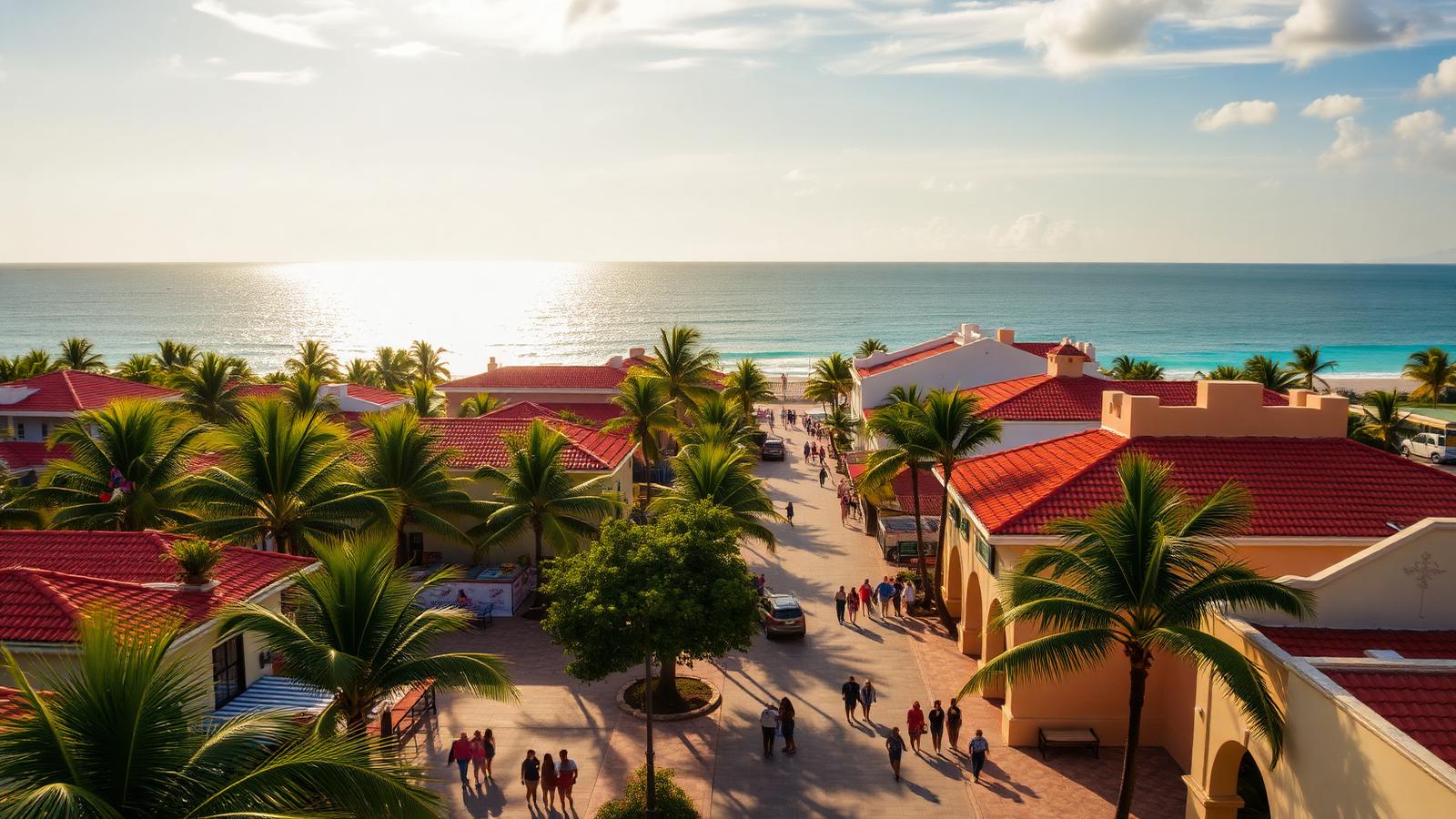
Is Playa del Carmen safe? Yes, in 2026 Playa remains one of the safer Caribbean beach bases for foreign visitors, and the numbers back it. Quintana Roo, the state that contains Playa del Carmen, recorded a 74% drop in daily intentional homicides between September 2024 and March 2026 according to the federal SESNSP report, and a 76% year-over-year decline. The US State Department keeps the state at Level 2, Exercise Increased Caution, the same tier applied to France, Germany and the United Kingdom. This guide is the honest picture: what the current advisories actually say, which neighborhoods are safe by day and by night, how the Twelfth Street nightlife strip works, whether the Cozumel ferry pier and ADO bus terminal are safe, taxi vs inDrive vs Uber realities, and a 12-rule checklist that keeps 99% of visitors out of trouble.
Safe, well-run outings from town are ranked in Playa del Carmen day trips.
Is Playa del Carmen Safe in 2026? Short Answer
Yes, Playa del Carmen is safe in 2026. As of July 2026 the US State Department keeps Quintana Roo at Level 2, Exercise Increased Caution, the same tier as France, Germany and the United Kingdom. The SESNSP March 2026 federal report documents 0.52 intentional homicides per day statewide, a 74% drop from the September 2024 peak of 2 per day, and a 76% year-over-year reduction. Hotel occupancy across the Quinta Avenida corridor and Playacar sits above 82% in peak season, tourist-police coverage was expanded in 2025 with a dedicated bilingual battalion, and violent incidents against foreign tourists in Quinta Avenida, Gonzalo Guerrero, Zazil-Ha and Playacar are extremely rare. The safety story worth taking seriously in Playa is petty crime and the small-scale drug economy around Twelfth Street after 2 a.m., not the news-cycle cartel headlines that geography keeps 1,900 km away.
What the US State Department and SESNSP Data Say About Playa del Carmen
The US State Department places Quintana Roo, the state containing Playa del Carmen, Cancun, Tulum and Cozumel, at Level 2 (Exercise Increased Caution) as of 2026. Level 2 means the same thing it means for France or Italy: normal precautions apply, plus stay alert. The advisory text specifically flags 'sporadic gang-related violence in Playa del Carmen and Tulum,' notes bystanders have been affected, and recommends staying in tourist zones after dark and using licensed transportation. It does not recommend against travel. It does not restrict US government employees from visiting the Riviera Maya. The federal SESNSP March 2026 report is where the harder number lives: Quintana Roo averaged 0.52 intentional homicides per day in March 2026, down 74% from a September 2024 peak of 2 per day. Compare Level 2 with the six states at Level 4 (Do Not Travel), Colima, Guerrero, Michoacán, Sinaloa, Tamaulipas and Zacatecas, and the tier difference is clear.
| Government | Tier for Quintana Roo (Playa del Carmen) | Practical meaning |
|---|---|---|
| US State Department | Level 2 of 4, Exercise Increased Caution | Same tier as France, Germany, UK |
| Government of Canada | Exercise a high degree of caution | Middle tier of 4; not a warning |
| UK FCDO | See our advice before travelling | General guidance, no red flag |
| Australia DFAT | Exercise a high degree of caution | Middle tier; standard for tourist Mexico |
| SESNSP (Mexico federal) | 0.52 homicides / day statewide (Mar 2026) | 74% drop vs Sep 2024 peak |
Playa del Carmen Safety by Neighborhood: Quinta Avenida, Gonzalo Guerrero, Playacar, Colosio
Playa del Carmen safety varies sharply by neighborhood, more sharply than most Caribbean beach towns. Your safe base is the wedge between Highway 307 and the sea, south of Avenida Constituyentes: Quinta Avenida (the pedestrian corridor), Gonzalo Guerrero (residential-restaurant strip), Zazil-Ha (mid-rise beach block), Playacar (gated hotel-and-residential enclave). Twelfth Street is the nightlife spine, safe until closing, cautious after 2 a.m. Colosio, In House and Villas del Sol sit north-west of Highway 307 and are working residential zones with less tourist infrastructure, safe by day if you have a reason to be there, best avoided after dark. Ejido and La Guadalupana are middle-ground residential neighborhoods where long-stay travelers rent Airbnbs; safe by day, use inDrive at night.
| Neighborhood | Day | Night | Best for |
|---|---|---|---|
| Quinta Avenida (Calle 4–38) | Very safe | Very safe until 2 a.m. | Restaurants, shops, walking base |
| Gonzalo Guerrero | Very safe | Safe | Boutique hotels, mid-range restaurants |
| Zazil-Ha | Very safe | Safe | Beachfront hotels, families |
| Playacar | Very safe | Very safe (gated) | Families, all-inclusives, golf |
| Twelfth Street (Calle 12) | Quiet | Safe until 2 a.m., cautious after | Nightlife, clubs, late food |
| Ejido / La Guadalupana | Safe | inDrive preferred | Long-stay Airbnb |
| Colosio / In House / Villas del Sol | OK with a reason | Avoid, not tourist zones | Residential (not tourist) |
Crime in Playa del Carmen: What the Numbers Actually Show
Playa del Carmen's crime numbers are lower than most people expect, and lower than a large share of US cities. The SESNSP March 2026 report puts Quintana Roo at 0.52 intentional homicides per day statewide, spread across Cancun, Playa del Carmen, Tulum, Cozumel, Chetumal and rural zones. On a per-capita basis Playa del Carmen sits around 25 homicides per 100,000 residents in the most recent full year, driven almost entirely by disputes inside the local drug economy that serves the nightlife strip, not by tourist-directed crime. For comparison: New Orleans sits near 40 per 100,000, Baltimore near 51, Detroit near 39, and Mexico City near 8. The number that matters more for a tourist: foreign-tourist homicides in Playa del Carmen over the past five years sit in single digits, most in cartel-adjacent bystander incidents on Twelfth Street after 2 a.m. Petty theft, phones lifted at beach clubs, wallets from unattended bags, motorbike theft, is the far more common tourist experience.
| City | Homicides / 100k | Compared to |
|---|---|---|
| Playa del Carmen, Mexico | ~25 | Local drug-dispute driven |
| Cancun, Mexico | ~12 | Tourism-protected |
| Mexico City | ~8 | National capital |
| Baltimore, USA | ~51 | Higher than Playa |
| New Orleans, USA | ~40 | Higher than Playa |
| Detroit, USA | ~39 | Higher than Playa |
Twelfth Street (Calle 12) Nightlife: Rules That Keep the Night Uneventful
Twelfth Street is Playa's headline club spine, Coco Bongo, Mandala, Palazzo, La Vaquita, Señor Frog's, running one block inland from Quinta Avenida. It is heavily policed and packed until closing, and the great majority of visitors have a big fun night and go home without incident. The realistic risks are drink-tampering inside clubs, phone theft on the dance floor, taxi overcharging on the way out, and after-hours drug offers in the alleys behind the strip. The four rules that solve this: order drinks from the bar directly and never accept a bottle already opened, keep your phone in a zipped pocket rather than an open beach tote, book an inDrive back rather than a street taxi at 3 a.m., and skip the small offers from strangers in side alleys, the beach-strip drug economy is where the state's homicide numbers cluster. If something feels off, walk two blocks to Quinta Avenida, the pedestrian corridor is patrolled around the clock.
Is the Cozumel Ferry Pier and ADO Bus Terminal Safe in Playa del Carmen?
Yes to both. The Ultramar and Winjet pier at the Cozumel ferry terminal on Calle 1 Norte is one of the most patrolled corners of the city, federal marines (SEMAR), tourist police and terminal security cover the pier from 06:00 to 23:00. The ADO first-class bus terminal on Avenida 20 & Calle 12 has its own bag-scan security, terminal cameras and a 24-hour tourist-police kiosk at the entrance. Cruise-day risks on the walk from Quinta Avenida to the pier are timeshare touts, a firm 'no gracias' ends 90%, and taxi overcharges from the pier back to your hotel; agree the pesos price before you get in or use inDrive. On ADO days the realistic risk is pickpocketing inside the crowded platform area, especially on the Cancun-airport routes; wear your bag on your front and keep your passport separate from your wallet.
Taxi, inDrive, Uber and Colectivo: What Actually Works in Playa in 2026
Playa taxis are physically safe but expensive and unmetered, the union controls the market. Uber operates in Quintana Roo but pickups inside Playa del Carmen are legally contested and drivers rarely accept close-in trips. The workable stack in 2026 is inDrive (widely available, riders name the price, arrival in 4–8 minutes on Quinta Avenida), Didi as a backup, and colectivos on Highway 307 for the trip to Tulum, Puerto Aventuras or Cancun airport spur road at 45–90 pesos per person. For street taxis, agree the peso price before you get in, never share with strangers, never trust anyone who quotes in USD, and never take an unlicensed taxi from Twelfth Street after 2 a.m. Typical rides: Quinta Avenida to Playacar 100–150 pesos; Playa to Cancun airport 1,400–1,800 pesos with a private car or 250 pesos on the ADO airport bus; Playa to Tulum 1,600–2,200 pesos or 90 pesos on a colectivo van.
Beach and Water Safety: Sargassum, Riptides, Sunscreen
The Caribbean-sea side of Playa del Carmen is calmer than the Cancun Hotel Zone side of the peninsula, and the beaches inside Playacar and along Mamitas–Kool–Playa 88 have consistent lifeguard coverage in high season. Realistic beach risks are sunburn (SPF 50 reef-safe, hat, and shade between noon and 3 p.m. are not negotiable), sargassum seaweed on some days April through August (Sargassum Monitoring Network posts daily beach-by-beach forecasts), and rare riptides on windy days, swim between the flags. Do not swim after drinking. Do not swim in the shipping channel south of the Cozumel ferry pier. Jellyfish appear in short blooms in June and August, a swim shirt and vinegar rinse handle 99% of stings. Sunscreen must be labeled reef-safe or biodegradable to be legal inside the cenote parks and MUSA-adjacent snorkel sites.
Scams, ATM Skimming, and Timeshare Traps in Playa del Carmen
The realistic tourist risks in Playa del Carmen are wallet-level, not violent. The five scams worth knowing: (1) Taxi overcharge, union taxis are unmetered; a Quinta-to-Playacar ride is 100–150 pesos and a Playa-to-Cancun-airport transfer is 1,400–1,800 pesos. Confirm in pesos before you get in and walk away from anyone who quotes in USD. (2) ATM skimming, use only ATMs inside a bank branch (Santander, Banorte, HSBC on Quinta Avenida) or the CIBanco branch inside Paseo del Carmen mall; never a freestanding ATM in a Twelfth Street club lobby or convenience store. (3) Timeshare presentations, free breakfast, free tour, or free rental-car upgrade offers at hotel lobbies and airport arrivals almost always mean a 90-minute high-pressure sales pitch; politely decline and keep walking. (4) Fake tour operators on Quinta Avenida, booking through your hotel concierge, an established platform or a reputable operator like ours prevents 100% of this. (5) Restaurant bill padding, review the check, question anything unclear, and it is completely acceptable to ask for a correction.
What to Do If Something Goes Wrong in Playa del Carmen
Move to a busy, well-lit space first, a hotel lobby, the Ultramar terminal, or a Quinta Avenida restaurant with visible staff. Call 911 (works in English and Spanish state-wide, dispatchers are bilingual in the Riviera Maya). Playa del Carmen's tourist-police direct line is +52 984 877 3340. The US Consular Agency in Playa del Carmen is at Plaza Progreso, Highway 307 & Calle 40, +52 984 873 0303; the Canadian Consular Agency at Plaza Paraíso, +52 984 803 2411. For medical emergencies, Hospiten Riviera Maya (Av. 30 Sur between Calle 40 and Calle 42) is the first-line international-insurance hospital with 24-hour bilingual staff; the Amerimed clinic on Quinta Avenida handles smaller emergencies. File any theft report at the Playa del Carmen Ministerio Público (Av. 20 Norte & Calle 8), an official report (denuncia) is required for insurance claims. Keep passport photocopies, hotel address and emergency numbers separate from your phone.
The 12-Rule Playa del Carmen Safety Checklist
These 12 rules cover the realistic decisions that separate a smooth week in Playa from a bad story: (1) Base yourself in Quinta Avenida, Gonzalo Guerrero, Zazil-Ha or Playacar. (2) Use inDrive rather than street taxis after 10 p.m. (3) Agree taxi fares in pesos before you get in. (4) Order drinks only from the bar directly. (5) Use ATMs inside a bank branch only. (6) Decline every timeshare offer, no matter how good it sounds. (7) Book tours through your hotel, an established platform or a licensed operator. (8) Wear a cross-body bag on Quinta and inside ADO. (9) Skip late-night walks north of Constituyentes and west of Highway 307. (10) Reef-safe SPF 50, hat, shade midday, bottled water only. (11) Never carry your original passport to the beach or nightlife, leave it in the hotel safe with a photocopy in your bag. (12) If something feels off, walk back to Quinta Avenida, the corridor is patrolled 24 hours.
If You're Comparing Playa with Cancun, Tulum or Cozumel
All four bases sit inside Quintana Roo and share the same Level 2 advisory, but the day-to-day security texture differs. The full picture for the neighboring bases lives in is Cancun safe, is Tulum safe and is Cozumel safe. If you already know Playa is your base and you're planning the day trips, the things to do in Playa del Carmen guide covers the beach clubs, cenote parks and archaeological options, and our Chichen Itza tour from Playa del Carmen is the same-day private option most Playa guests take.
Playa del Carmen in 2026 is a safe Caribbean beach base for the visitor who follows the neighborhood map, uses inDrive after dark, and reads the SESNSP number rather than the news-cycle headline. At Itza Quest, our private guides pick you up at your Playa hotel, run the Chichen Itza day-trip on a fully insured route with a licensed driver, and get you back before dark, so the safety planning above only has to cover your Playa evenings, not your day-trip logistics.
Continue reading
Related guides with the same travel intent.
Frequently Asked Questions
Is Playa del Carmen safe right now in 2026?
Yes. As of July 2026 Quintana Roo, Playa del Carmen's state, averaged 0.52 intentional homicides per day in the SESNSP March 2026 report, a 74% drop from the September 2024 peak of 2 per day and a 76% year-over-year reduction. The US State Department keeps the state at Level 2 (Exercise Increased Caution), the same tier as France, Germany and the United Kingdom. Realistic tourist risks are taxi overcharges, ATM skimming, timeshare pitches and petty theft at beach clubs, not cartel violence.
Is Playa del Carmen safe from cartels?
For tourists in the Quinta Avenida corridor, Gonzalo Guerrero, Zazil-Ha and the beach hotel strip, yes. Mexico's two largest cartels, CJNG and Sinaloa, operate along Pacific corridors more than 1,900 km west of the Yucatan Peninsula. Local disputes exist inside the small-scale drug economy that serves the nightlife strip, but incidents almost always target people involved in that trade, not vacationing foreigners. Foreign-tourist fatalities from cartel-adjacent incidents in Playa del Carmen over the past decade sit in single digits and clustered on Twelfth Street after 2 a.m.
Is Playa del Carmen safe for solo female travelers?
Yes, with reasonable precautions. Solo female travelers consistently rate Playa's Quinta Avenida corridor safer than New Orleans, Barcelona's Raval or Miami South Beach in TripAdvisor and Solo Female Travelers Facebook feedback. Practical rules that prevent 95% of incidents: base yourself in Quinta Avenida, Gonzalo Guerrero or Zazil-Ha, use inDrive or hotel-booked cars rather than street taxis after 10 p.m., never leave a drink unattended at Coco Bongo or Twelfth Street clubs, use a cross-body bag on Fifth Avenue during Carnaval crowds, and skip late-night walks along 30th Avenue north of Constituyentes. Sexual harassment is uncommon; drink-tampering and phone theft on dance floors are the real risks.
Which neighborhoods of Playa del Carmen should tourists avoid?
Colosio, Villas del Sol and the In House colonia sit north-west of the tourist core and are working residential neighborhoods with limited patrol coverage, safe during the day if you have a reason to be there, but not tourist zones and best avoided after dark. Everything south of Avenida Constituyentes and east of Highway 307, Quinta Avenida, Gonzalo Guerrero, Zazil-Ha, Playacar and the hotel strip, is your safe base. La Guadalupana and Ejido are mid-safety residential zones that are quiet by day and thin on tourist infrastructure at night. Stick to well-lit, populated streets past midnight in every zone.
Is Twelfth Street (Calle 12) nightlife safe?
Yes until roughly 2 a.m., then risk climbs. Twelfth Street is Playa's headline club strip, Coco Bongo, Mandala, Palazzo, La Vaquita, heavily policed and packed until closing. The realistic risks are drink-tampering inside clubs, phone theft on the dance floor, taxi overcharging on the way out, and after-hours drug offers in the alleys behind the strip. Rules: drink only from the bar (never a stranger's hand), keep your phone in a zipped pocket, book an inDrive back rather than a street taxi, and do not walk to distant neighborhoods after 2 a.m., get a car home.
Is the Cozumel ferry pier safe in Playa del Carmen?
Yes, the Ultramar and Winjet pier at Playa's Cozumel ferry terminal on Calle 1 Norte is one of the most patrolled corners of the city. Federal marines (SEMAR), tourist police and terminal security cover the pier 06:00 to 23:00. Realistic risks on ferry days are timeshare touts working the walk from Quinta Avenida to the pier, a firm 'no gracias' ends 90% of them, and taxi overcharges from the pier back to your hotel; agree the pesos price before you get in or use inDrive. Do not carry your full cash reserve to Cozumel; leave a copy of your passport in your Playa hotel safe.
Are taxis in Playa del Carmen safe? Does Uber work?
Playa taxis are physically safe but expensive and unmetered, the union controls the market. Uber operates in Quintana Roo but pickups inside Playa are legally contested and drivers rarely accept close-in trips. The workable stack in 2026 is inDrive (widely available, riders name the price) and Didi as a backup. For street taxis, agree the peso price before you get in, never share with strangers, and never trust anyone who quotes in USD. Typical rides: Quinta Avenida to Playacar 100–150 pesos; Playa to Cancun airport 1,400–1,800 pesos; Playa to Tulum 1,600–2,200 pesos.
Is Playa del Carmen safe for families with kids?
Yes, Playa is one of the most family-friendly bases in the Riviera Maya. Playacar is a gated hotel-and-residential zone with private-beach access, low traffic and a golf-course buffer, perfect for young kids. Gonzalo Guerrero and Zazil-Ha have quiet residential streets and daytime beach clubs (Mamitas, Kool, Playa 88) that welcome families. The archaeological day trips and cenote parks nearby run on family-safe operators with life jackets. Realistic family risks are strong Caribbean sun (SPF 50 reef-safe), sargassum on some beach days April–August, and food or water upsets, stick to bottled water and busy restaurants.
Is Playa del Carmen safe for LGBTQ+ travelers?
Yes, Playa del Carmen is the most LGBTQ+-friendly base on the Yucatan coast. Same-sex marriage is legal across Mexico. The Fifth Avenue restaurant scene, Mamitas Beach and the Twelfth Street bar strip are openly queer-inclusive; Wana Bana, Playa 69 and the annual Playa Pride week in early June are anchors of the scene. Public displays of affection are common on Quinta Avenida and Mamitas Beach without incident. Outside the tourist core, inland residential neighborhoods and taxi small talk, discretion is reasonable but incidents are rare. Playa's trans-inclusive nightlife scene is among the strongest in the Caribbean.
What should I do if something goes wrong in Playa del Carmen?
Move to a busy, well-lit space first, a hotel lobby, the Ultramar terminal or a Quinta Avenida restaurant. Call 911 (works in English and Spanish state-wide). Playa's tourist-police direct line is +52 984 877 3340. The US Consular Agency in Playa del Carmen is at +52 984 873 0303; the Canadian Consular Agency is +52 984 803 2411. For medical emergencies, Hospiten Riviera Maya (Av. 30 & Calle 40) accepts international travel insurance and has 24-hour bilingual staff. File any theft report at the Playa del Carmen Ministerio Público (Av. 20 Norte & Calle 8), an official report is required for insurance claims. Keep passport photocopies and hotel address separate from your phone.