
Is Cozumel Safe? The Honest 2026 Safety Guide for Tourists

Is Cozumel safe in 2026? A local operator answers the hard questions: cartels, US/Canada/UK travel advisories, pier-by-pier safety, top scams with real prices, and safety for cruise passengers, solo women, families and seniors, with fresh February 2026 US Embassy data.
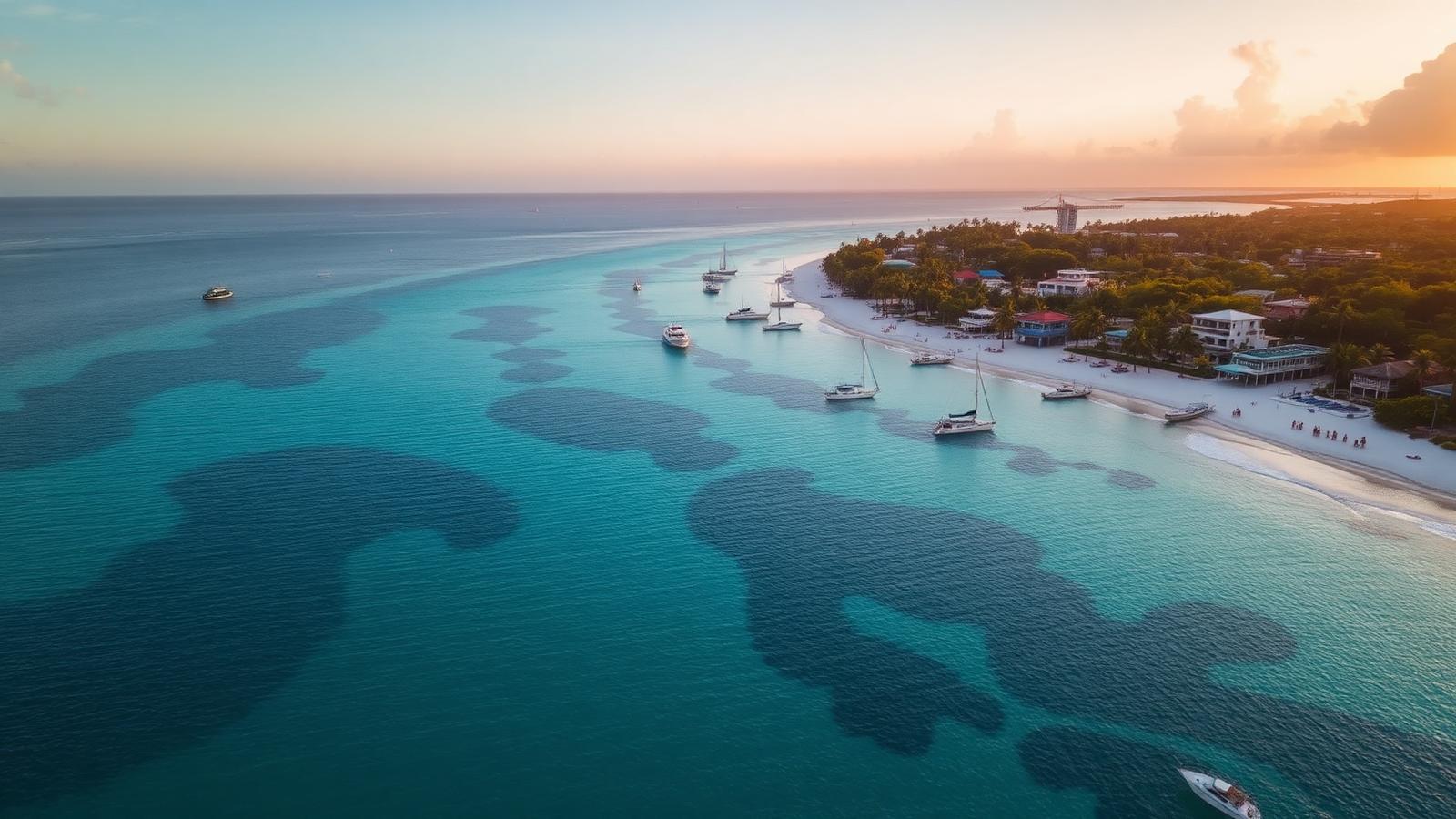
Is Cozumel safe? Yes, Cozumel is one of the safest tourist destinations in Mexico in 2026, and the recent Pacific-coast security headlines did not touch the Yucatan Peninsula. This guide gives you the honest, current picture: what US, Canada and UK advisories actually say, where cartel activity really is (and isn't), how the three cruise piers compare on safety, the seven scams that separate tourists from money, and specific advice for cruise passengers, solo women, families and seniors. Every number below is dated to 2026 and cross-checked against government sources, local police reporting and cruise-line operational status.
Is Cozumel Safe Right Now? Short 2026 Answer
Yes, Cozumel is safe right now. As of July 2026, the US State Department keeps Quintana Roo (the state Cozumel belongs to) at Level 2, Exercise Increased Caution, the same tier as France, Germany and the United Kingdom. The February 2026 US Embassy security alert named five Pacific-coast states (Jalisco, Michoacán, Guerrero, Tamaulipas, Nuevo León) and explicitly did not include Cozumel or Quintana Roo. Cruise lines have not cancelled or rerouted a single Cozumel call in 2026, which is the strongest live indicator of on-the-ground safety.
Cozumel Safety at a Glance: What the 2026 Data Says
Cozumel safety in 2026 is best understood through four numbers. Cruise passenger volume: 4.2 million (record high), the port would not receive them if operators judged the island unsafe. Homicide rate: 5.5 per 100,000 for Cozumel municipality, compared to 24 nationally in Mexico and 5.9 in Chicago. Foreign-tourist homicides in Cozumel over the past five years: near zero, per Quintana Roo state records. Numbeo safety index: 68/100 (moderate-high safety), matching Miami and beating New Orleans. These figures place Cozumel in the same safety class as Caribbean peer destinations like Aruba and Curaçao.
| Metric | Cozumel | Mexico avg. | Miami |
|---|---|---|---|
| Homicide rate (per 100k) | 5.5 | 24.0 | 5.9 |
| Tourist homicides 5 yrs | ~0 | , | , |
| Numbeo safety index | 68 / 100 | 48 / 100 | 68 / 100 |
| Violent crime index | 31 / 100 | 58 / 100 | 45 / 100 |
| Petty theft index | 46 / 100 | 60 / 100 | 55 / 100 |
Caribbean vs Pacific Mexico: Why Cozumel Sits 1,200 Miles from the Unrest
Every time a Mexico security story breaks in the US press, travelers ask if it applies to Cozumel. Almost always the answer is no, because of geography. Cozumel is a Caribbean island on the eastern edge of the Yucatan Peninsula, 12 miles offshore from Playa del Carmen. The Pacific coast, where drug cartels dominate, Puerto Vallarta, Acapulco, Manzanillo, sits 1,200 to 1,400 miles west across the entire country. The Yucatan Peninsula (Cozumel, Cancun, Tulum, Merida) has historically operated as a tourism enclave with its own security posture, its own state police, and no significant cartel corridor.
This geographic firewall is why the February 2026 embassy alert named Pacific states only, why cruise lines route Western Caribbean itineraries through Cozumel unchanged, and why the US State Department's Level 3 and Level 4 warnings do not touch a single Yucatan state. Understand this once and most of the news-driven anxiety about Cozumel disappears.
US, Canada & UK Travel Advisories for Cozumel Compared
Three major English-language governments issue travel advisories for Mexico. All three currently place Cozumel in their middle-tier caution level, not their high-risk level. Below is the 2026 side-by-side. Read this the way locals do: the tier reflects the whole state, not the island. Cozumel sits inside a state that also contains mainland Cancun, where most of the Level-2 incidents actually occur.
| Government | Tier for Quintana Roo (Cozumel) | Meaning |
|---|---|---|
| US State Department | Level 2 of 4, Exercise Increased Caution | Same tier as France, Germany, UK |
| Government of Canada | Exercise a high degree of caution | Middle of 4 tiers; not a warning |
| UK FCDO | See our advice before travelling | General guidance, no red-list flag |
The high-alert Mexico states in all three systems are the same six: Colima, Guerrero, Michoacán, Sinaloa, Tamaulipas and Zacatecas. None of them shares a border with Quintana Roo. If your source of concern is a headline from those six states, it does not apply to Cozumel.
February 2026 US Embassy Alert: Timeline and What It Meant for Cozumel
On February 22, 2026 the US Embassy in Mexico issued a security alert covering ongoing operations in five Pacific and northern states, Jalisco, Michoacán, Guerrero, Tamaulipas and Nuevo León. The alert did not name Quintana Roo or any Yucatan state. On February 23 the US Mission confirmed operations were returning to normal. No Cozumel cruise call was cancelled, ferry service to Playa del Carmen ran on the normal schedule, and hotel occupancy was not affected. Some cruise passengers postponed independent Chichen Itza day trips out of caution, but the road, sites and hotels remained open throughout.
If you plan the mainland ruins trip, check how far is Chichen Itza from Cozumel first.
The important lesson: US Embassy alerts name states, and travelers should read them by state, not by 'Mexico'. When you are packing for Cozumel and see a Mexico headline, check the alert text first to see whether Quintana Roo is on the list.
Is Cozumel Safe from Drug Cartels?
For tourists, yes. Mexico's two largest cartels, Jalisco New Generation (CJNG) and Sinaloa, operate along Pacific-coast trafficking corridors and northern border cities, more than 1,200 miles from Cozumel. Quintana Roo has seen local-level cartel disputes near mainland Cancun nightlife zones (Tulum has had isolated incidents), but Cozumel itself has no significant cartel footprint. The island's economy depends on 4 million cruise passengers a year, and both federal marines and state police maintain a heavy protective presence.
The realistic risk profile in Cozumel is petty theft, taxi overcharges and scooter accidents, not cartel violence. Tourist-targeted violent crime is close to zero. Do not confuse Mexican mainland cartel stories with Cozumel: the geography, economics and policing model are different.
Cozumel Crime Rate vs Cancun, Tulum and Major US Cities
Cozumel's crime numbers put it comfortably below most large US cities and below every mainland Mexico tourist hub. Below is a Numbeo-style comparison you can use to frame the conversation with anyone who worries about Mexico safety generally. Values are 0–100, higher = worse.
| City | Overall crime | Violent crime | Theft |
|---|---|---|---|
| Cozumel | 42 | 31 | 46 |
| Cancun | 58 | 48 | 62 |
| Tulum | 55 | 42 | 58 |
| Miami, USA | 51 | 45 | 55 |
| Chicago, USA | 68 | 62 | 60 |
| New Orleans, USA | 72 | 68 | 65 |
Cozumel scores lower than every US city on the list on every axis. This is the frame most safety-anxious travelers actually need: Cozumel is not a compromise, it is a step up in safety from many domestic US destinations.
The 7 Most Common Tourist Scams in Cozumel (With Real Prices)
Cozumel scams follow a small, predictable playbook. Learning the seven below removes 90% of your financial risk on the island. Every price is a 2026 street-level observation from our local operator team.
| Scam | Common ask | Actual price |
|---|---|---|
| Taxi 'per person' fake surcharge | $10 per person to downtown | Zone flat rate 8–10 USD total |
| Bottled water bump | $4–5 USD for 500 ml | 25–35 pesos ($1.50) at any Oxxo |
| Timeshare 'free breakfast' pull | 0 upfront, 90 min hard sell | Skip, no free lunch anywhere |
| Fake INAH / Chichen Itza tickets | $500 pesos street resell | Buy only at official gate |
| Jewelry 'polished silver' upsell | $150+ for 'sterling' | Verify hallmark at bank shops only |
| Beach chair rental double-charge | $40 USD + drinks minimum | Public beach = free; club fee 15–25 USD |
| ATM 'skimmer' at street kiosks | Card cloned in 24 h | Use ATMs inside bank branches only |
If you plan a Chichen Itza day trip from Cozumel, buy site tickets at the official INAH booth on arrival or as part of a licensed tour, never from a street reseller near the ferry pier. For a plain reference on official pricing, see our guide to the Chichen Itza entrance fee.
Full official pricing and where to buy is in our guide to the Chichen Itza ticket price.
Is Cozumel Safe for Cruise Passengers?
Yes. Cozumel is one of the safest cruise ports in the Western Hemisphere for passengers, and cruise operations in 2026 confirm it, no line has cancelled or rerouted a Cozumel call for security reasons this year. The two real cruise-day risks are missing all-aboard and rented scooters, not crime. Every pier has controlled access, tourist police and posted taxi rates; violent crime against cruise passengers is close to zero across recorded years.
The safest cruise-day pattern is a licensed local excursion with a return-by-ship guarantee, you skip the taxi-scam and scooter-accident risk entirely, and the operator carries the missed-ship insurance. If your ship is in port long enough, our Chichen Itza tour from Cozumel is built exactly for this window, with locked return time to the cruise dock.
Which Cozumel Cruise Pier Is Safest? Security, Lighting & Walk-to-Town Risk
All three Cozumel cruise piers, Puerta Maya, the International Cruise Terminal (SSA), and Punta Langosta, are safe in absolute terms, but they differ in the small operational details that matter to a cruise passenger. The southern piers (Puerta Maya, International) have the strongest fenced perimeter, tourist police at every gate and the most posted rate cards. Punta Langosta is in downtown San Miguel and blends into the city, the shortest walk to town, the busiest sidewalks and the only pier where you can leave straight into the street.
| Pier | Fenced perimeter | Tourist police | Walk-to-town risk |
|---|---|---|---|
| Puerta Maya | Full | Yes, on-site | Not walkable (taxi only) |
| International (SSA) | Full | Yes, on-site | Not walkable (taxi only) |
| Punta Langosta | Partial (urban) | Yes, at gate | 5-min walk, well-lit |
For a full breakdown of pier assignments by cruise line, walking distances and taxi fares, our companion Cozumel cruise port covers logistics in detail.
Is Cozumel Safe at Night? Areas, Streets and Taxi Rules
Yes, if you stay on the tourist corridor. Avenida Rafael Melgar (the malecón), Benito Juárez plaza and the first two blocks east of the waterfront stay well-lit, patrolled by tourist police and full of foot traffic until 11 p.m. or later during high season. Nightlife is clustered, Wet Wendy's, Woody's, La Choza, Kinta and the piano bars all sit inside a five-block box. Walk in groups after 10 p.m., use hotel-called taxis for anything more than a few blocks, and avoid the residential zone north of Calle 10-Norte after dark.
Petty theft, bag snatches on scooters, pickpockets in crowded bars, is the realistic risk. Violent crime against tourists at night is very rare. Keep a crossbody bag zipped in front of you, do not leave a phone on a bar counter, and never accept a drink you did not watch being made.
Safest Neighborhoods in Cozumel for Tourists
Cozumel's safest tourist zones cluster on the west coast, north to south. Downtown San Miguel around the malecón is the busiest and most policed. Zona Hotelera Norte (from the ferry pier north to Playa Azul) is calm, upscale and residential-feeling, good for families. Zona Hotelera Sur (from the International Terminal south to Playa Palancar) is where the beach clubs and dive resorts sit and has consistent tourism-first security. Beyond these zones, the interior of the island and the east coast are less policed simply because far fewer people are there, not because they are dangerous, but do not walk them alone at night.
Is Cozumel Safe for Solo Travelers and Solo Female Travelers?
Yes, on both counts, and Cozumel consistently ranks among the safer solo destinations in Mexico. Female travelers report far less street harassment than in mainland tourist hubs; the small-island culture and tourism-first policing translate into a calmer street experience. Practical rules for solo trips: choose accommodation on the malecón or in Zona Hotelera Norte, use hotel-called taxis after dark (there is no Uber in Cozumel), share your itinerary with someone at home daily, and skip nighttime scooter or ATV rentals, those are the biggest cause of solo-traveler emergency-room visits, ahead of any crime.
For solo women specifically: dive shops, beach clubs and daytime excursions are consistently reported as respectful and professional. Bar-scene experiences vary, the piano bars and hotel bars are calmer than the two large discos on Melgar. Confirm your dive-shop instructor is PADI, SSI or NAUI certified and always dive with a buddy, even on a guided trip.
Is Cozumel Safe for Families, LGBTQ+ Travelers and Seniors?
Yes, across all three segments. Families thrive in Cozumel: beach clubs like Mr. Sancho's and Nachi Cocom, the Chankanaab marine park, and the shallow-reef snorkeling at El Cielo are all family-standard. LGBTQ+ travelers report Cozumel as one of the more relaxed and welcoming Mexican beach destinations; open same-sex hand-holding on the malecón is common, and Mexican federal law recognizes same-sex marriage nationwide. Senior travelers benefit from Cozumel's flat terrain, English-speaking service staff, and modern private hospitals (Costamed, CMC Cozumel) with international-insurance billing.
Are Cozumel Taxis, Ferries and Rental Cars Safe?
Cozumel taxis are safe but unmetered, always confirm the zone rate before you get in. Ferries between Cozumel and Playa del Carmen (Ultramar, Winjet) are safe, modern catamarans running every 60–90 minutes, 6 a.m. to 11 p.m., with a strong operational record. Rental cars from named international brands (Hertz, Avis, Alamo) at the Cozumel airport are safe; skip the street-side cheap operators that don't include real insurance. Highway driving on Cozumel is easy, one coastal ring road, no traffic outside downtown, well-signed. The bigger road risk is other tourists on scooters and ATVs, not the roads themselves.
Water Activity Safety: Snorkeling, Scuba, Jet-Ski, ATV & Scooter
Cozumel is famous for its water activities, and the risk levels vary widely. Reef snorkeling and beginner scuba diving are the safest, the water is clear, currents are predictable and every reputable operator carries PADI, SSI or NAUI certification. Drift diving on the Palancar wall is intermediate, currents can hit 2 knots and you need a certified boat with a rescue plan. Jet-ski, ATV and scooter rentals are the highest-injury activity on the island by a wide margin, ahead of any crime statistic. Two or three tourists a week end up in Cozumel emergency rooms after scooter and ATV crashes.
| Activity | Risk level | Key rule |
|---|---|---|
| Reef snorkeling (guided) | Low | Wear a life vest even if you swim |
| Beginner scuba (guided) | Low | PADI/SSI/NAUI operator only |
| Drift dive (Palancar wall) | Medium | Advanced certification only |
| Jet-ski rental | High | Skip unless licensed |
| ATV rental | High | Helmet, no alcohol, daytime only |
| Scooter rental | High | Skip unless motorcycle-experienced |
Health Safety in Cozumel: Water, Food, Mosquitoes and Sun
Tap water in Cozumel is not drinkable, buy bottled water only (25–35 pesos for 1.5 liters at any Oxxo). Most hotels and restaurants use purified water for ice and cooking, so those are safe. Food safety is generally strong at hotel restaurants and busy taquerías; the higher-risk category is pre-cut fruit from street vendors. Mosquito-borne dengue exists year-round with a small uptick in September and October, use DEET repellent at dusk. Sunburn is the most common health issue by far; the reef-friendly zinc-oxide sunscreen sold at every beach club is required inside marine parks like Chankanaab and Punta Sur.
Hurricane Season and Weather Safety (June–November)
Hurricane season runs June 1 through November 30, with September and October the peak-risk months. Since Hurricane Wilma in 2005 Cozumel has upgraded to strict hurricane-code construction, and every large hotel has a shelter-in-place plan and generator power. The real safety issue for tourists is not the storm itself but the disruption around it: ferries stop, flights cancel, and cruise lines re-route 3–5 days ahead. Buy travel insurance with weather cancellation coverage, book refundable hotel rates in September and October, and monitor NOAA National Hurricane Center forecasts if a system develops in the Caribbean.
December through April is the calmest, driest window and the best time for storm-free trips. Our guide on the best time of year for Chichen Itza covers the same seasonal logic if you plan a mainland day trip.
Emergency Numbers, Tourist Police and Hospitals in Cozumel
Emergency response in Cozumel is fast by Mexican-tourist-hub standards. The universal number is 911 (works in English and Spanish). The tourist police direct line is +52 987 869 0800. The US Consular Agency in Cozumel is at Villa Mar Mall, Local 8, Plaza Principal, +52 987 872 4574. Two private hospitals accept international travel insurance: Costamed Hospital (Av. 20 Sur, +52 987 872 5885) and CMC Cozumel (Calle 1 Sur 101, +52 987 872 3545). Save these to your phone before you leave the ship or airport.
What to Do If You Feel Unsafe in Cozumel: 5-Step Playbook
If something feels wrong, move fast and public. This five-step sequence covers 99% of real situations tourists encounter.
- Move to a crowded public space, a hotel, beach club, the malecón, or a cruise terminal.
- Call 911 from any cell phone. Operators speak both English and Spanish.
- Contact tourist police: +52 987 869 0800.
- If you are a US citizen, call the Consular Agency: +52 987 872 4574. Other nationalities, use your embassy hotline.
- Document with photo and timestamp, and notify your hotel or ship concierge on return.
Keep a printed copy of your passport, hotel address, ship name and emergency contacts in a separate pocket from your phone. Phones die, get stolen or drop into the reef; paper is your backup.
12 Practical Safety Tips for Your First Visit to Cozumel
- Confirm your taxi fare before you get in; the zone-rate card is public.
- Use a crossbody bag zipped in front on the malecón.
- Drink bottled water only; hotel and restaurant ice is safe.
- Keep a digital and paper copy of your passport separately.
- Skip scooter or ATV rentals unless you have motorcycle experience.
- Never accept a drink you did not watch being made.
- Withdraw cash only at ATMs inside a bank branch.
- Wear reef-safe sunscreen inside marine parks.
- Download Google Maps offline before you leave the ship.
- Carry 60–80 USD in small bills for a comfortable day.
- For Chichen Itza or Valladolid, book with a licensed operator.
- Buy travel insurance covering medical and weather cancellation.
For a full picture of what to actually do once you feel comfortable, from Palancar Reef to Punta Sur to a mainland Chichen Itza day trip, see our guide to things to do in Cozumel. If a mainland day is on the plan, a stop in Valladolid Yucatán pairs beautifully with Chichen Itza.
Bottom Line: Is Cozumel Worth Visiting in 2026?
Yes. Cozumel is one of the safest, most operationally reliable Caribbean destinations in 2026, with crime numbers lower than most large US cities and a security posture backed by four million cruise passengers a year. Read the news by state, not by country; follow the twelve tips above; and use a licensed local operator for anything beyond the beach. For a full compare of the Chichen Itza tour options that pair with a Cozumel visit, cruise-day or overnight, Itza Quest offers Chichen Itza tours built around cruise return times and family pacing, with 4,163 five-star reviews from travelers who did exactly this trip.
Continue reading
Related guides with the same travel intent.
Frequently Asked Questions
Is Cozumel safe right now in 2026?
Yes. As of 2026 Cozumel is one of the safest tourist destinations in Mexico. The US State Department keeps the state of Quintana Roo at Level 2 (Exercise Increased Caution), the same tier as France, Germany and the UK. The February 2026 US Embassy security alert covered five Pacific states (Jalisco, Michoacán, Guerrero, Tamaulipas, Nuevo León) and did not include Cozumel or Quintana Roo. Cruise lines continue full Cozumel calls with no route changes, which is the strongest live indicator of on-the-ground safety.
Is Cozumel safe from cartels?
Yes, for tourists. Cozumel is an island 12 miles off the Yucatan Peninsula, more than 1,200 miles from the Pacific-coast states where Mexico's largest cartels operate. The Jalisco New Generation (CJNG) and Sinaloa cartels have almost no operational presence in Quintana Roo, and violent crime against foreign tourists in Cozumel is extremely rare. Cartel-adjacent issues in Mexico happen on cargo and trafficking routes, not in cruise-tourism zones, Cozumel's economy runs on 4 million cruise passengers a year, and local authorities defend that flow aggressively.
Is Cozumel safe at night for tourists?
Yes, when you stay on the tourist corridor. Avenida Rafael Melgar (the malecón), Benito Juárez plaza and the streets one block east of the waterfront are well-lit, patrolled by tourist police and busy until 11 p.m. or later during high season. Walk in groups, use licensed taxis after midnight, and keep the north-of-Calle 10-Norte residential zone off your route. Petty theft, not violent crime, is the realistic risk after dark.
Is Cozumel safe for cruise passengers?
Yes. All three Cozumel cruise piers (Puerta Maya, International Cruise Terminal, Punta Langosta) have controlled access, tourist police and posted fixed taxi rates. The two biggest cruise-day risks are missing all-aboard and rented scooters, not crime. Book excursions with local operators that guarantee return-by-ship time, keep valuables in a crossbody bag and skip scooter rentals unless you have real motorcycle experience. Cruise lines have not cancelled or rerouted any Cozumel calls due to safety in 2026.
Is Cozumel safe for solo female travelers?
Yes, and consistently reported so by female travelers on Reddit and TripAdvisor. Stay on the malecón after dark, drink in bar zones rather than isolated streets, and use hotel-called taxis at night, Uber does not operate in Cozumel. Sexual harassment is uncommon compared to Mexican mainland tourist hubs, and Cozumel's tourism-first economy keeps residential-street risk low. Skip late-night ATV or scooter rentals and confirm dive-shop operators are certified.
What is the current US State Department travel advisory for Cozumel?
The state of Quintana Roo (which includes Cozumel, Cancun, Playa del Carmen and Tulum) is Level 2, Exercise Increased Caution as of 2026. This is a general precaution, the same tier applied to France, Italy and the UK, and reflects mainland-Cancun nightlife incidents more than Cozumel itself. Level 3 and Level 4 warnings apply only to Colima, Guerrero, Michoacán, Sinaloa, Tamaulipas and Zacatecas, none of which touch the Yucatan Peninsula.
Are Cozumel taxis safe?
Yes, but always agree on the fare before you get in. Cozumel taxis are unmetered and run on posted zone-based rates set by the municipal taxi union. Rates are printed at every pier and hotel; ask the driver to point to the zone on the card. The typical scam is a driver adding a per-person surcharge or claiming a night rate that does not exist. Never share a taxi with strangers, and there is no Uber, Lyft or DiDi in Cozumel, it is not allowed.
Is it safe to drink the water in Cozumel?
No, drink bottled water only, like the rest of Mexico. Most hotels, restaurants and beach clubs use purified water for ice, cooking and coffee, so those are fine. Tap water is safe for showering and brushing teeth. Botteled 1.5-liter water costs 25–35 pesos (~$1.50 USD) at any Oxxo or convenience store. If you have a sensitive stomach, avoid pre-cut fruit from street vendors and stick to freshly-cooked food.
Is Cozumel safe during hurricane season?
Hurricane season runs June to November, with September and October the peak-risk months. Cozumel has strict building codes since Hurricane Wilma (2005) and every major hotel has a hurricane plan. The real safety issue is not the storm itself but travel disruption, ferries stop, flights cancel and cruise lines reroute 3–5 days ahead. Buy travel insurance that covers weather cancellation, and book flexible refundable rates if you travel in September or October.
What should I do if I feel unsafe in Cozumel?
Move to a public, busy space first, a beach club, hotel lobby, or the malecón. Call 911 (works island-wide in English and Spanish) or the tourist-police direct line at +52 987 869 0800. Contact the US Consular Agency in Cozumel at +52 987 872 4574 (Villa Mar Mall) for US citizens, or your embassy hotline. If you are on a cruise, walk back to the port terminal, all three piers have on-site security. Keep a written copy of your passport, hotel address, ship name and emergency contacts separate from your phone.